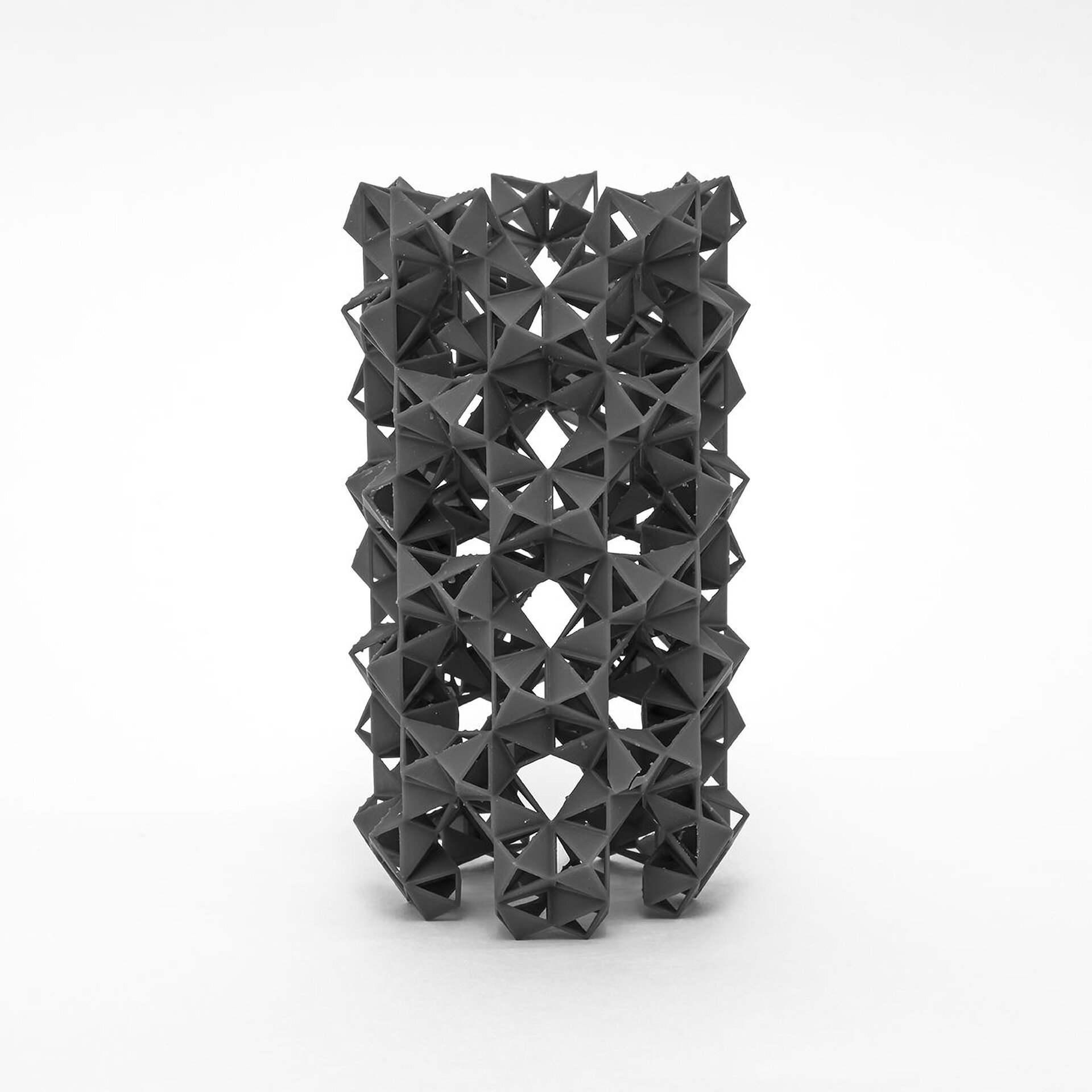
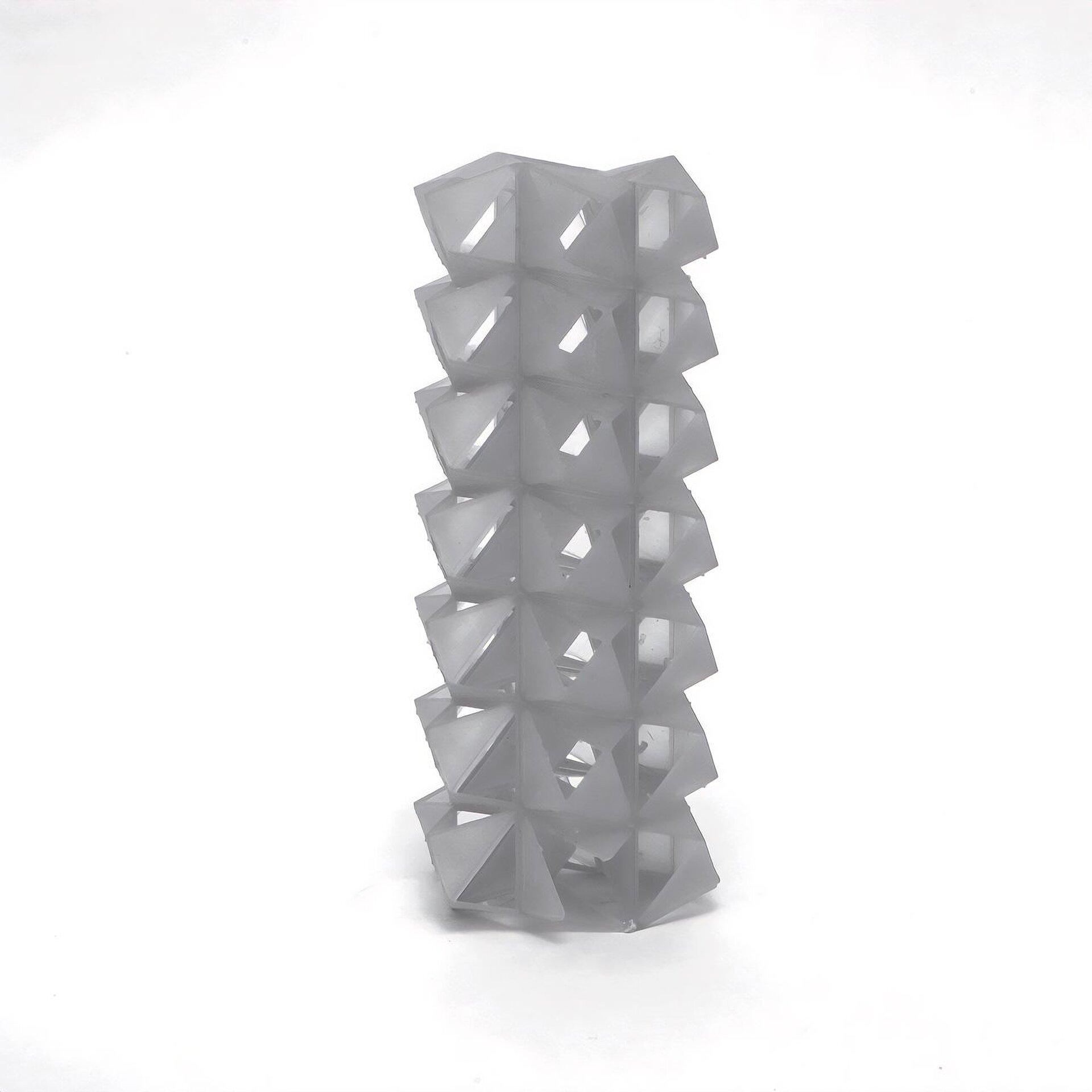
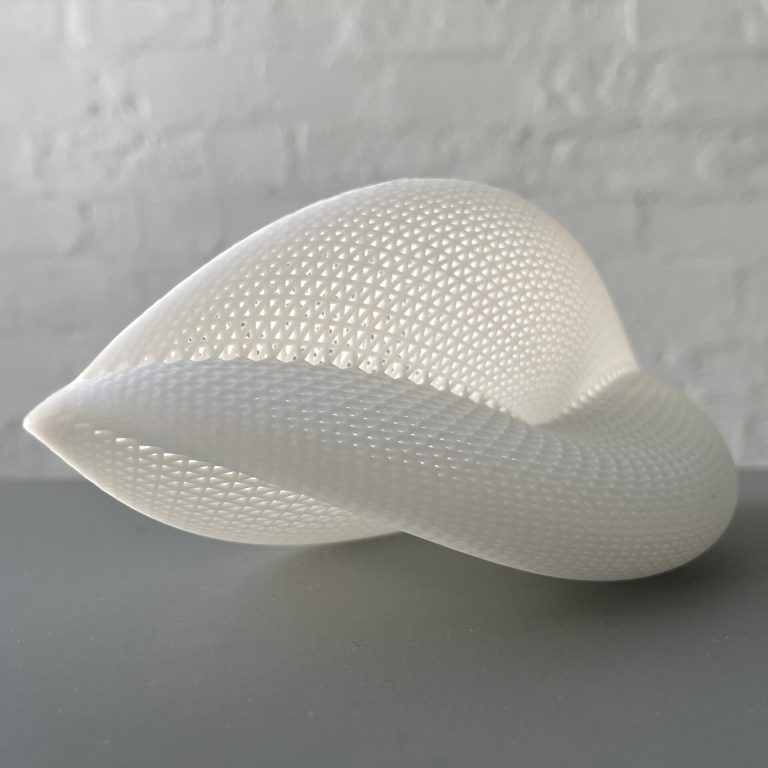
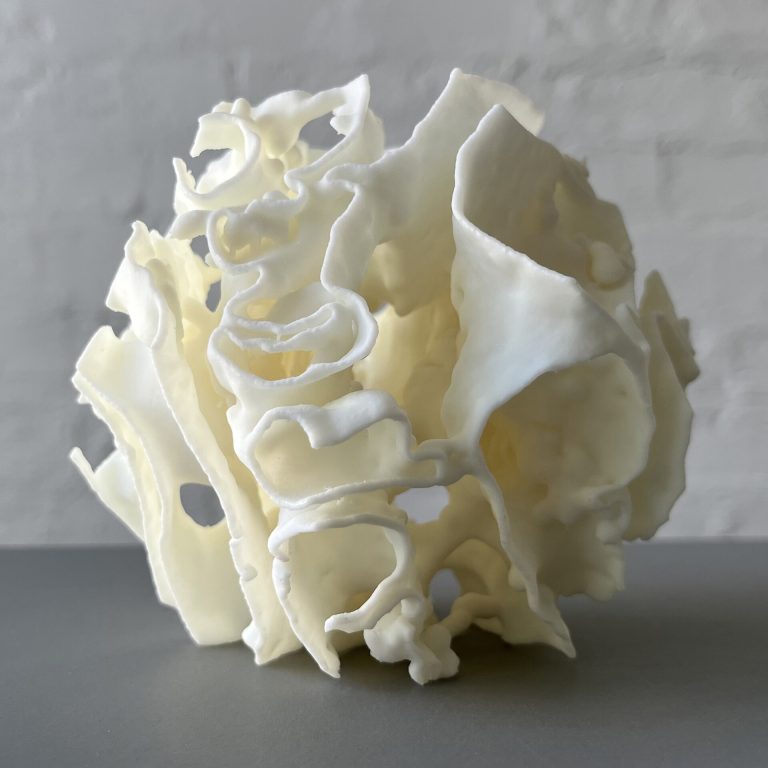
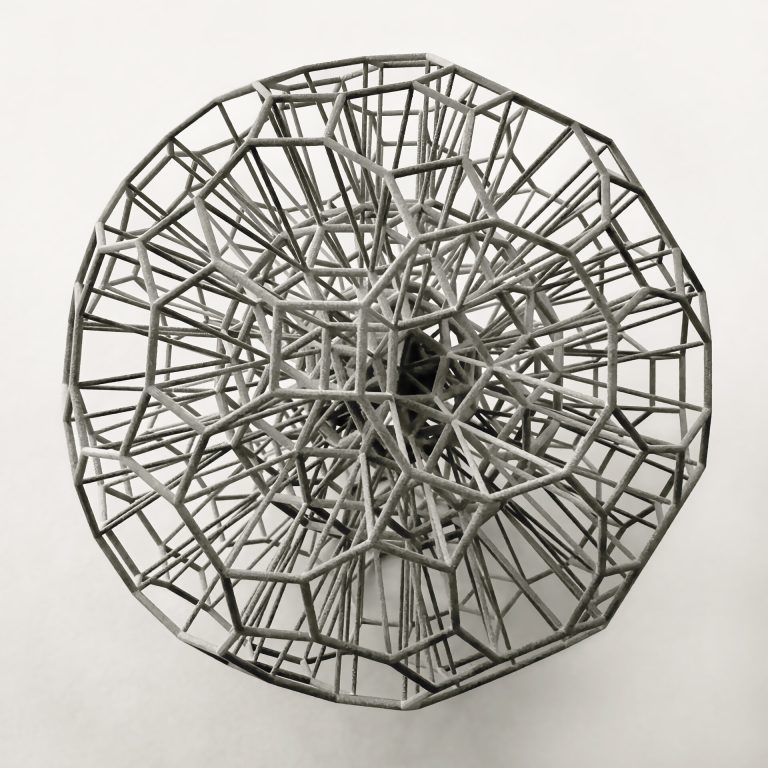
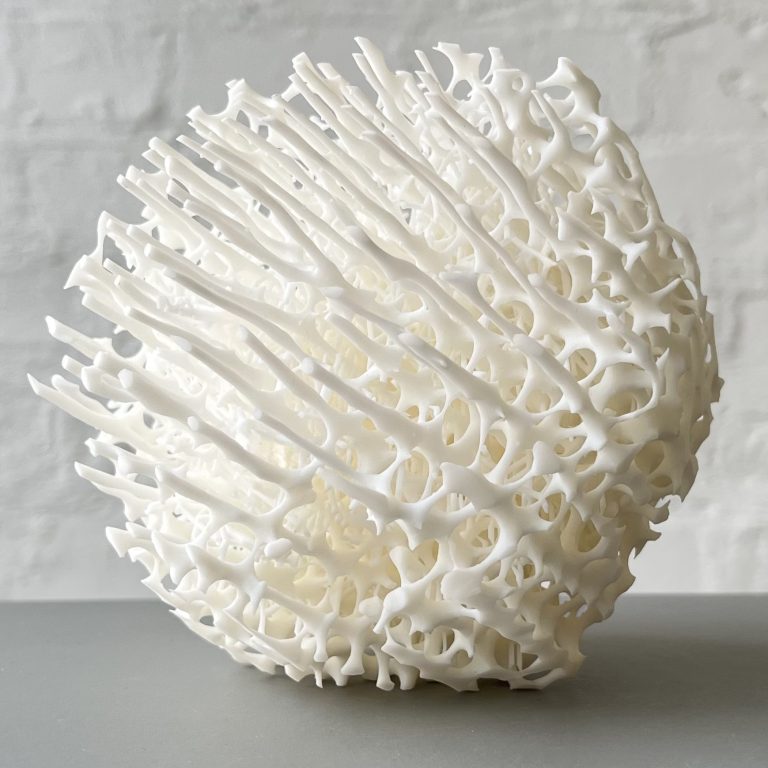
The SuperCube Towers study investigates vertical stacking configurations using SuperCube ring formations. These ring structures, developed during the SuperCube system development, interlock without requiring the central cluster. As self-contained circular elements, they are suitable for vertical extension.
Stacked rings create tower configurations through radial periodic arrangements. Each ring maintains rotational symmetry while enabling vertical growth. Attachment methods between stacked rings and how vertical extension affects structural stability are central questions.
Various stacking patterns and their geometric properties are tested. Ring-based towers show how a single modular element adapts to vertical architectural forms while preserving the SuperCube's interlocking logic. Principles for translating horizontal ring geometry into vertical spatial organization emerge from the configurations.