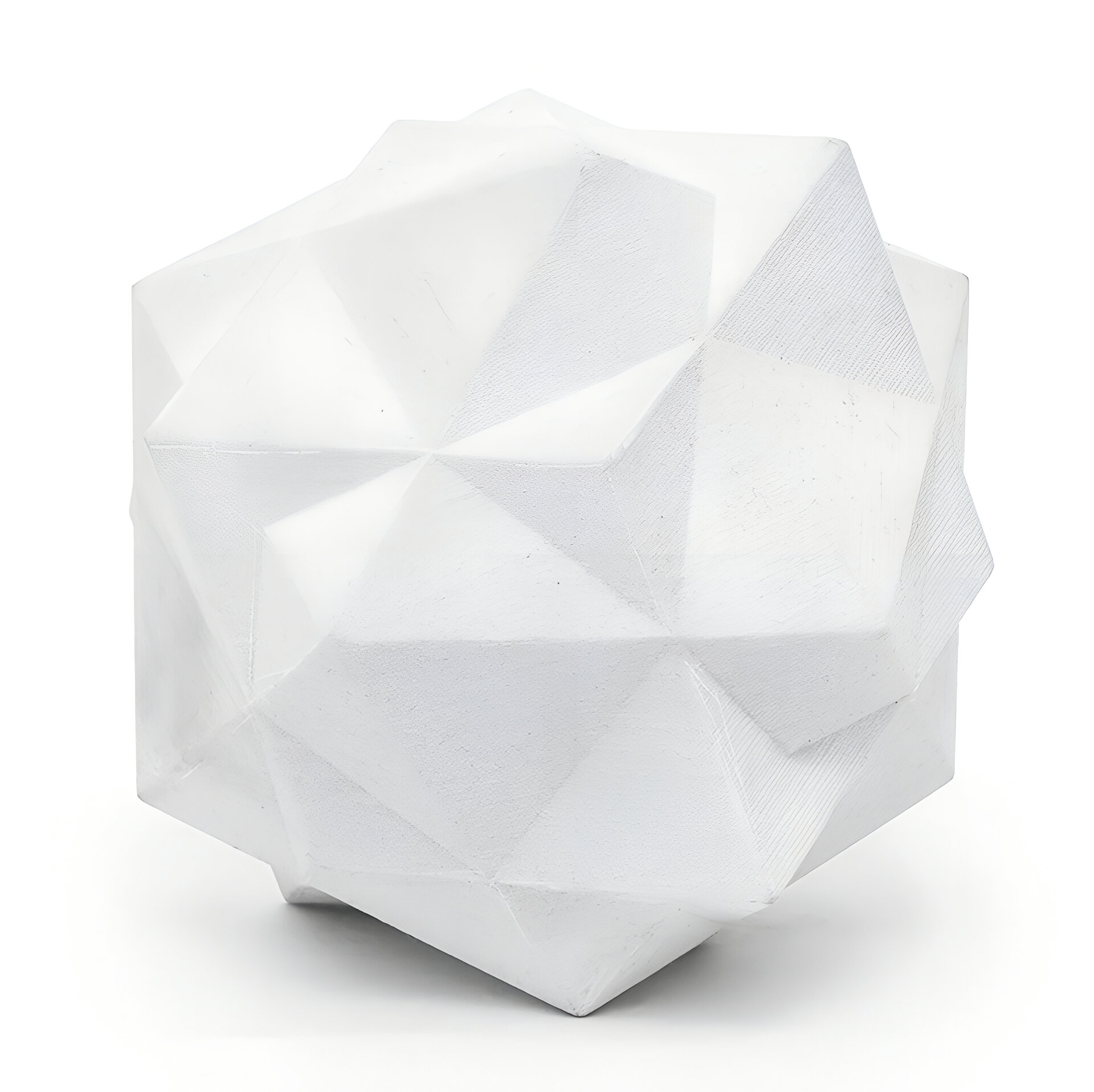
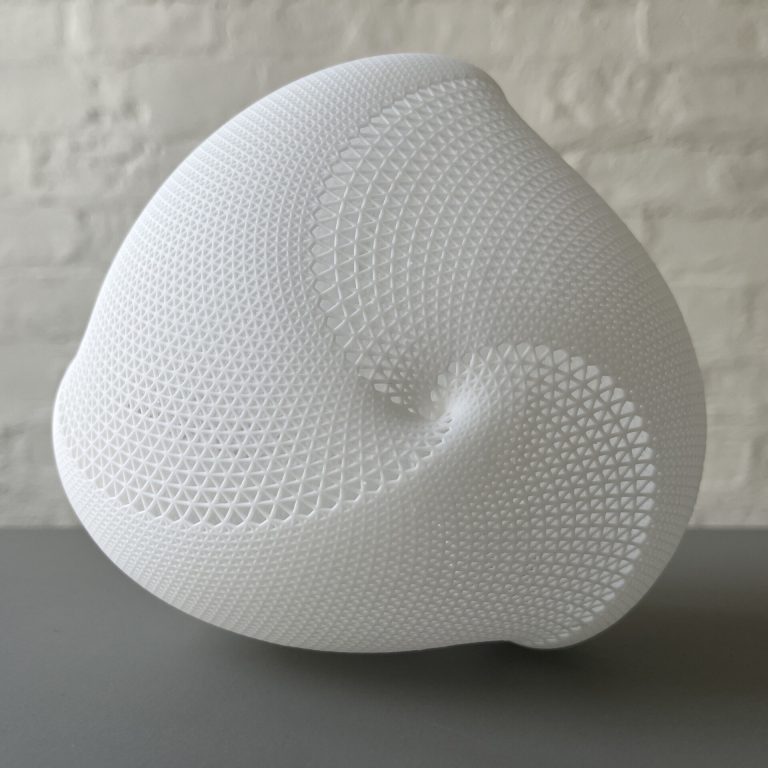
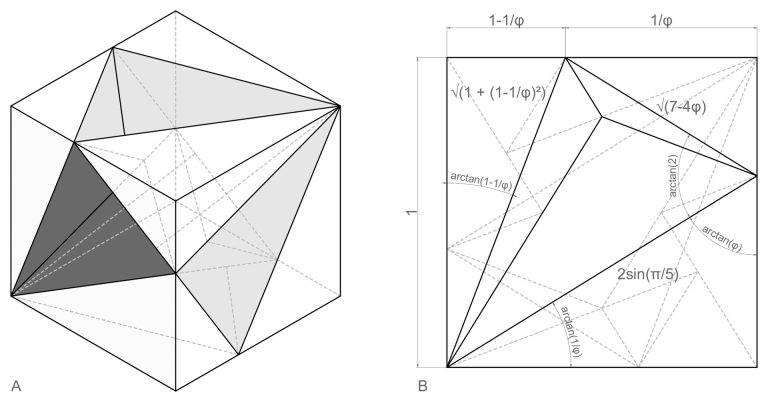
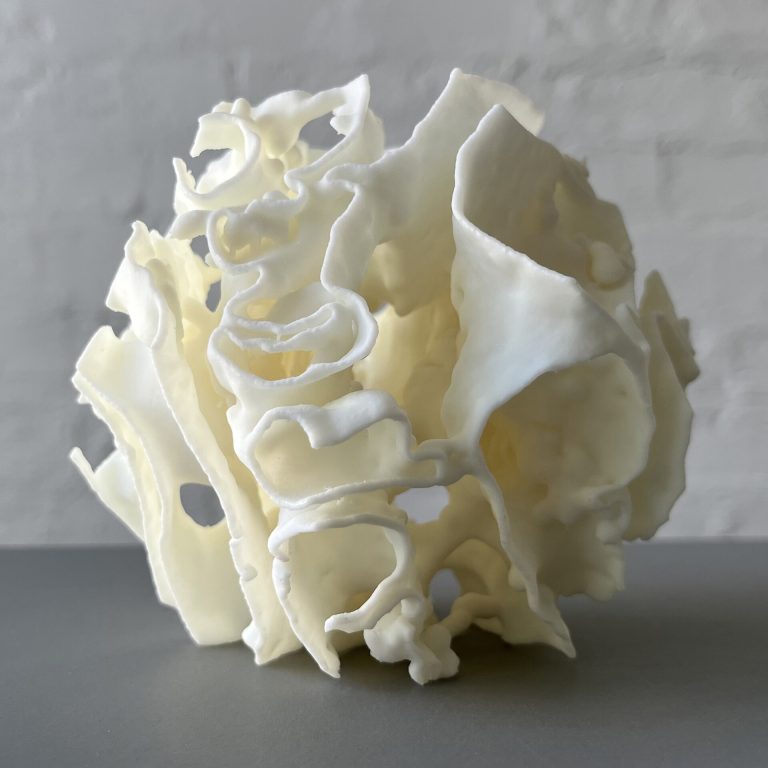
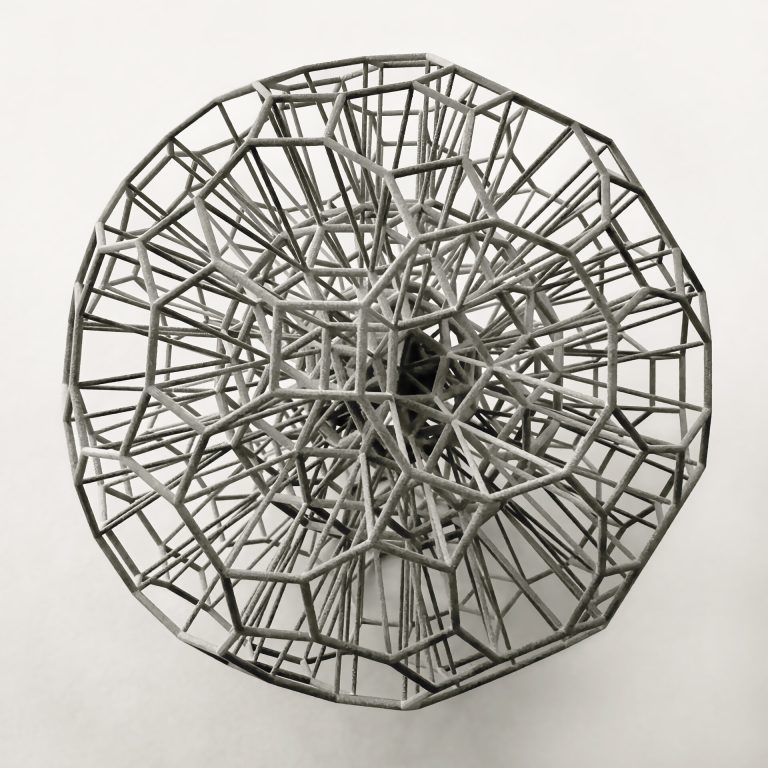
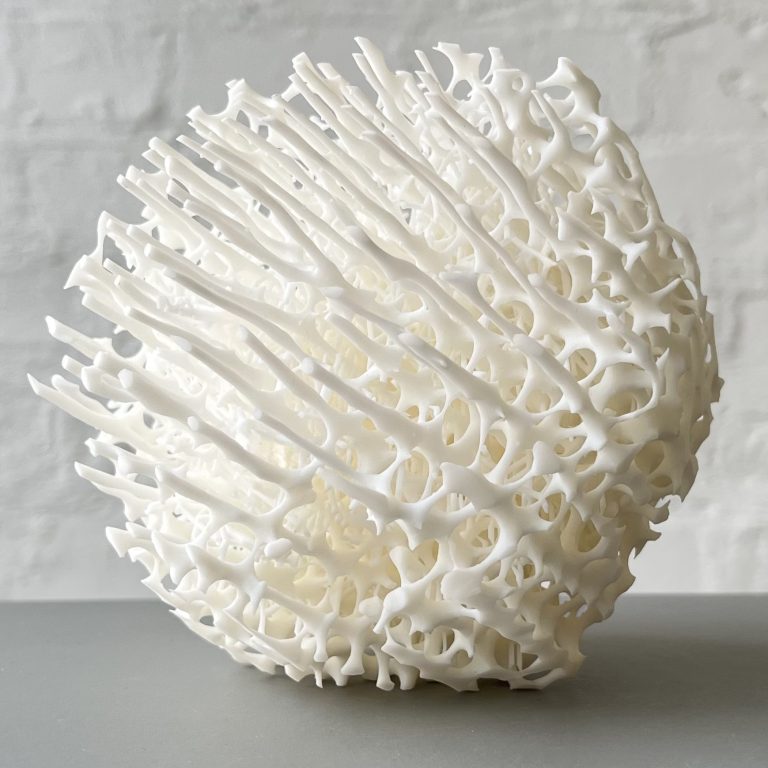
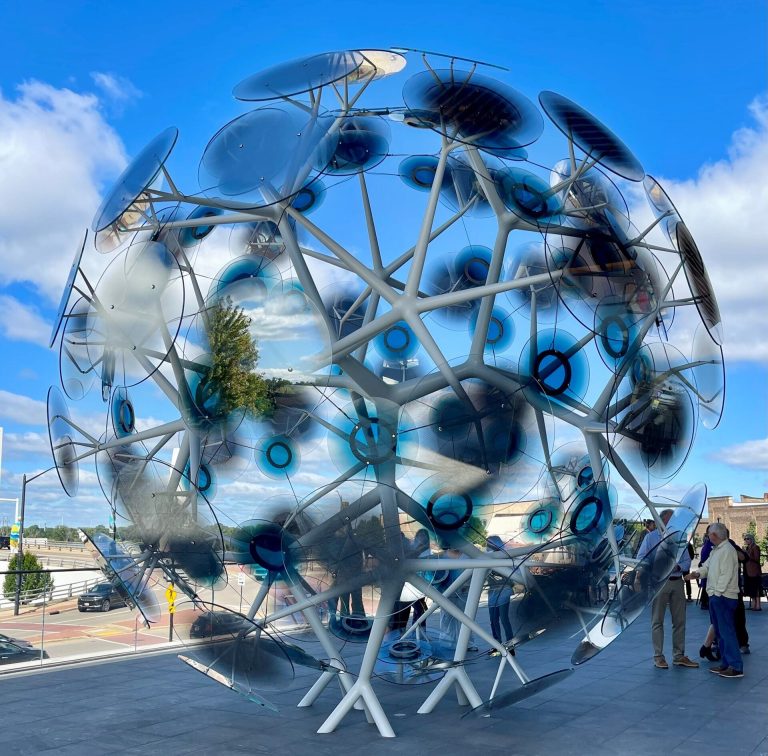
The Rotational Compounds study investigates polyhedral forms created by combining regular symmetry group polyhedra with rotational symmetry polyhedra. These two symmetry types interact differently when united into compound structures, and the distinction between them defines which combinations are geometrically viable.
Regular symmetry polyhedra employ standard symmetry operations — reflection, rotation, and inversion — while rotational symmetry polyhedra organize through rotational transformations alone. Compounds from both types generate geometric configurations where different symmetry principles coexist within a single structure. Certain combinations produce coherent compounds; others do not. The intersection of regular and rotational symmetries determines the resulting geometric properties. Overlapping volumes reveal spatial relationships that emerge when different symmetry systems occupy the same space, and the compound forms make these relationships physically readable. The investigation remains ongoing.