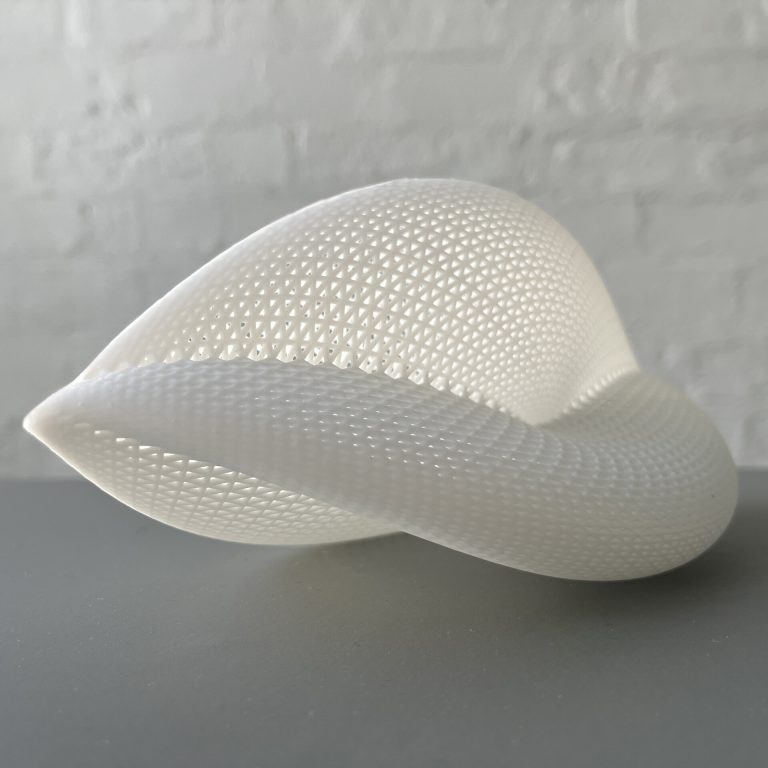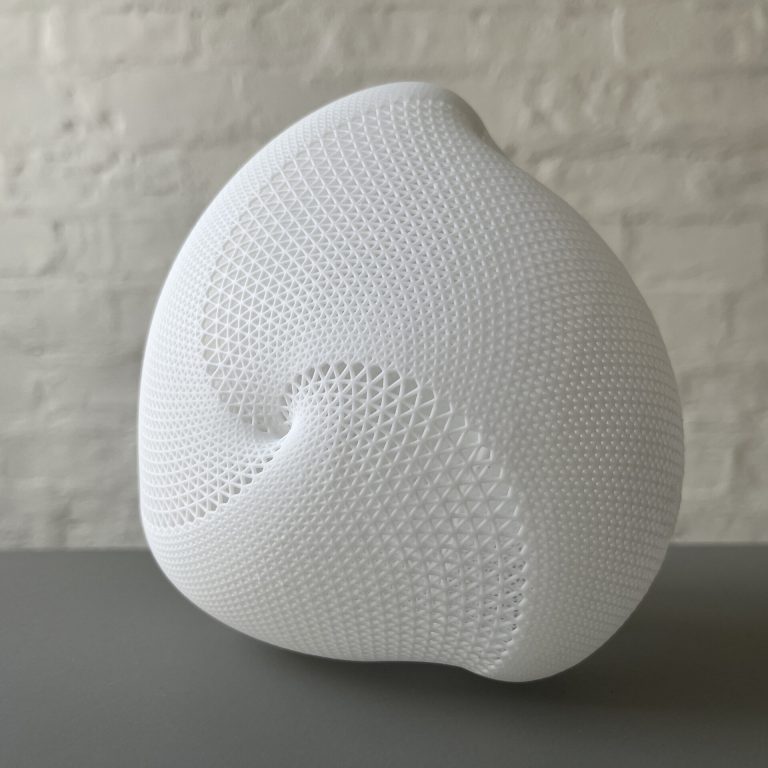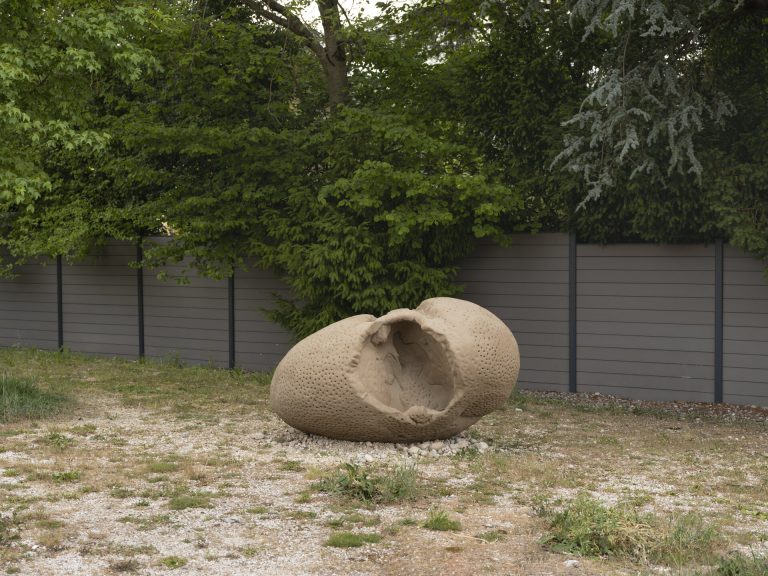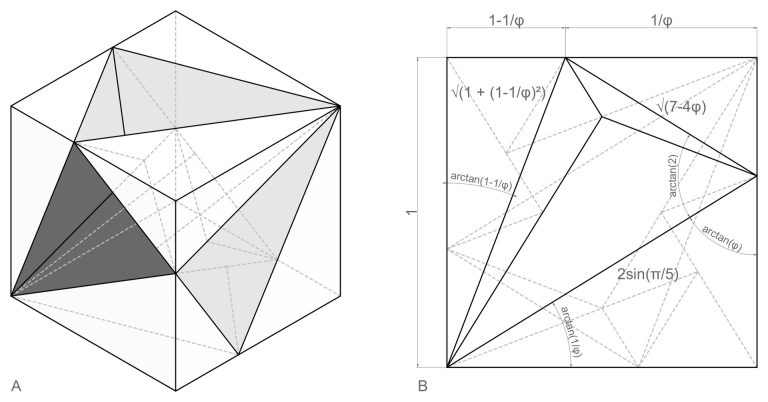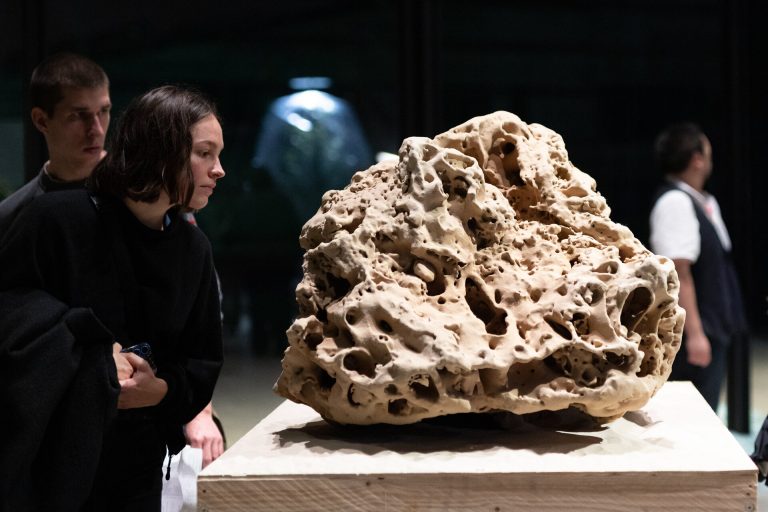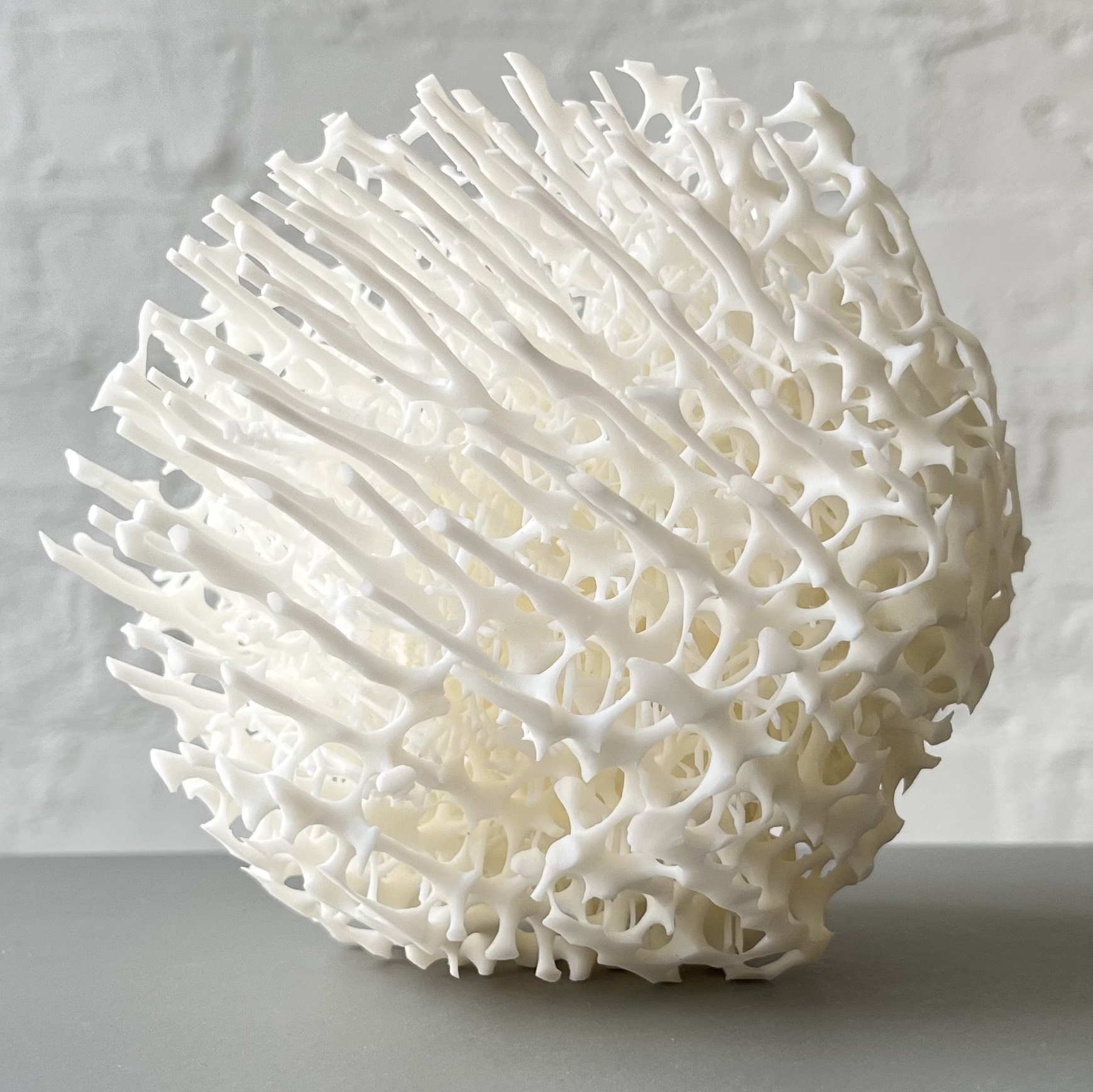
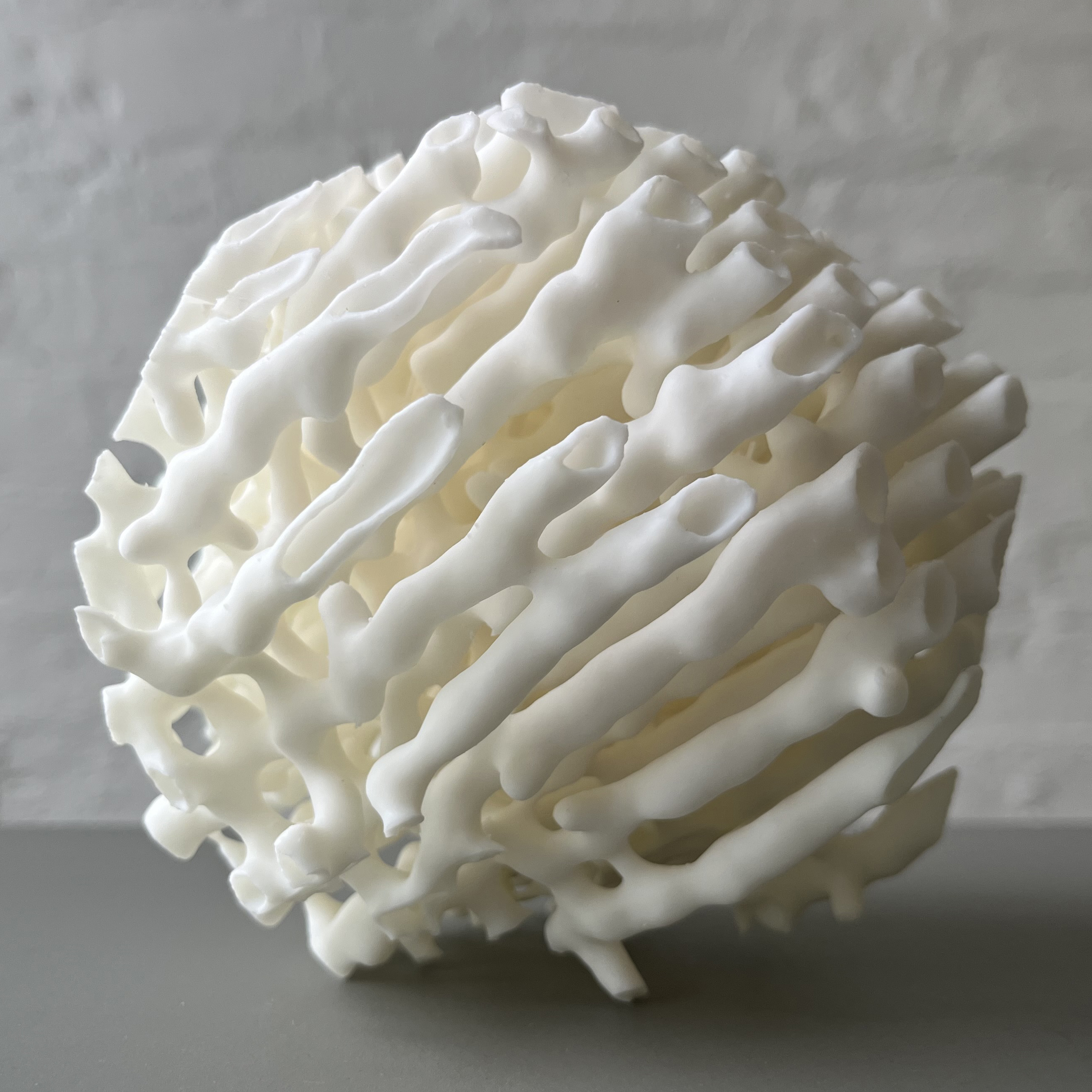
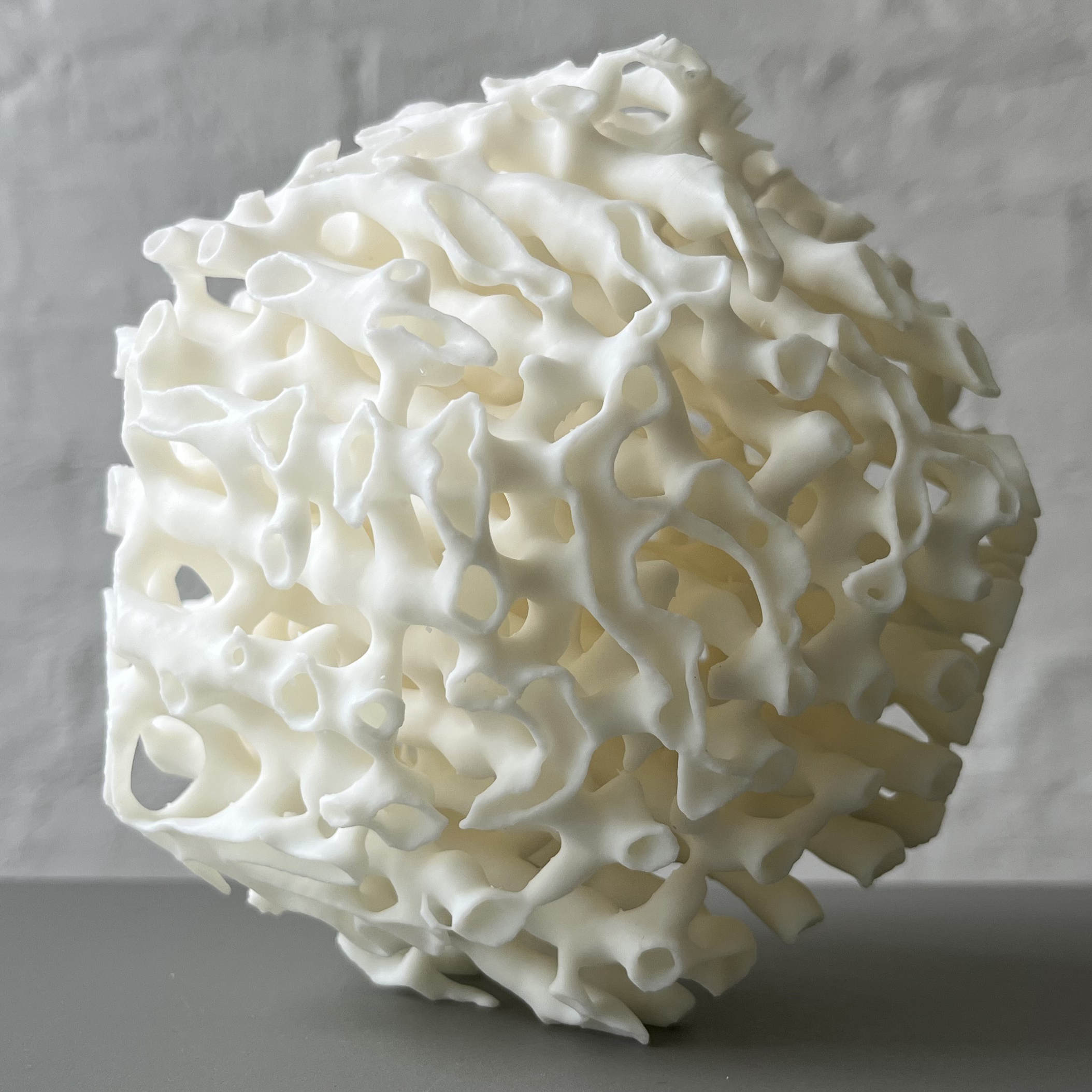
In the Porouhedrons series, I have been investigating porous polyhedral structures through the algorithmic perforation of base polyhedra. Through a series of systematic introductions of voids, solid geometric forms are transformed into interconnected cellular networks. Each configuration tests a distinct topological approach, as perforation patterns, void densities, and structural arrangements vary while geometric consistency is held constant. The algorithmic processes involved in this investigation evaluate the constraints that exist between porosity and structural integrity and aim to determine viable configurations at the very limits of resolution afforded by additive manufacturing technologies. As coupled parameters, minimum wall thickness and void spacing interact in such a way that increasing porosity weakens the structure, while denser walls limit the openness of the cellular network. Through mathematical procedure, rather than biomimetic intent, the resulting forms begin to parallel natural porous structures such as trabecular bone, coral matrices, and volcanic pumice. Through controlled perforation operations, complex three-dimensional void systems are generated across a diversity of polyhedral topologies, and my interest in methods for transforming closed polyhedra into structurally coherent porous architectures continues to develop. The investigation is ongoing.
Photography: Phillip C. Reiner
Artwork year: | Last updated: