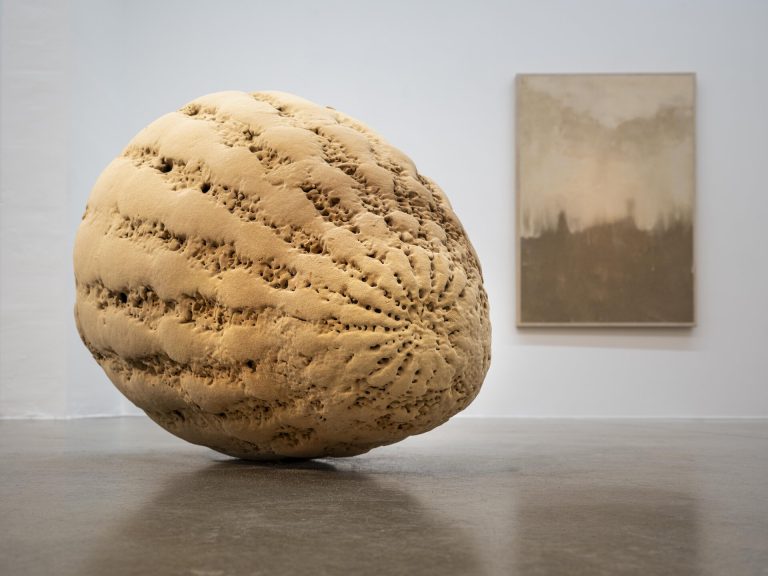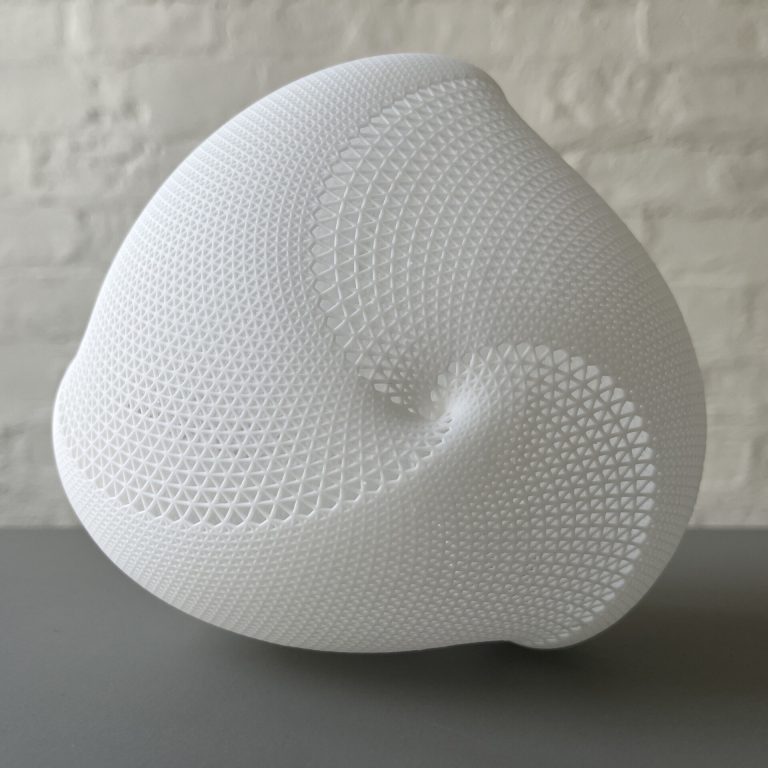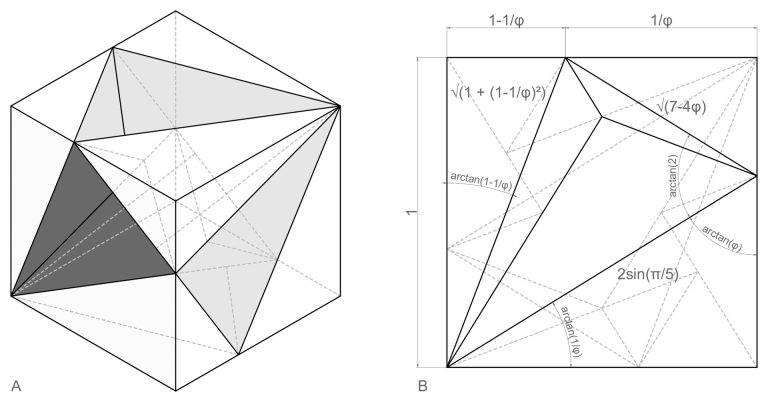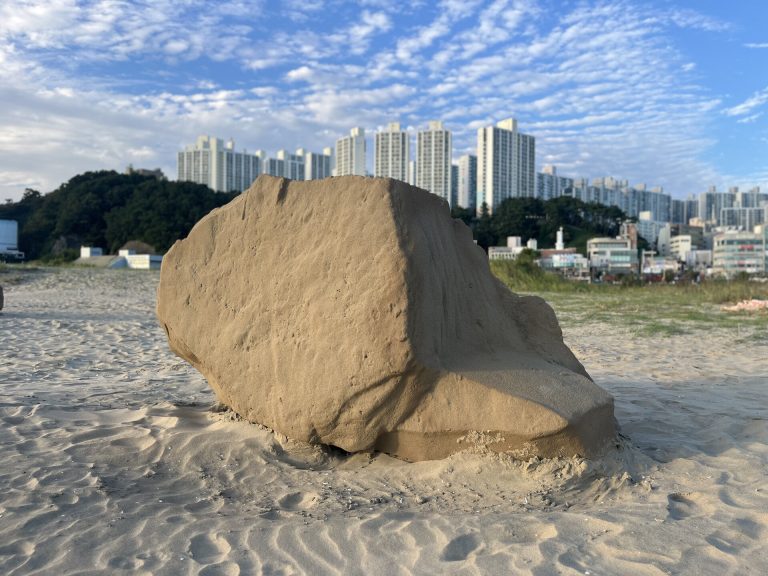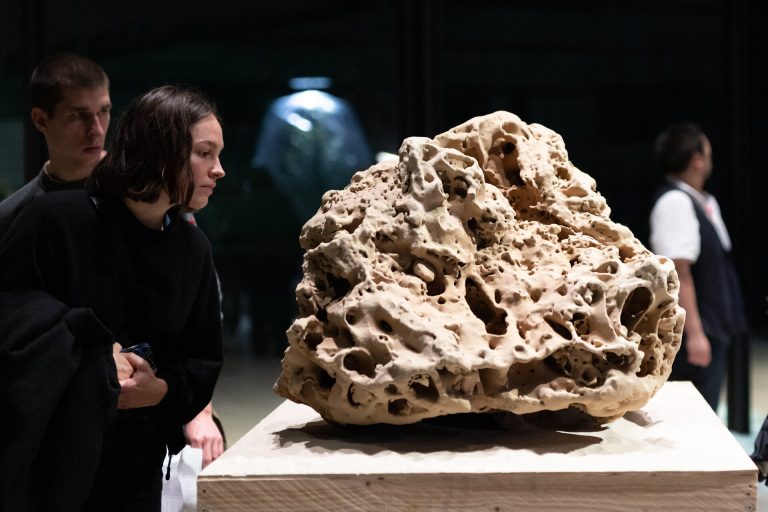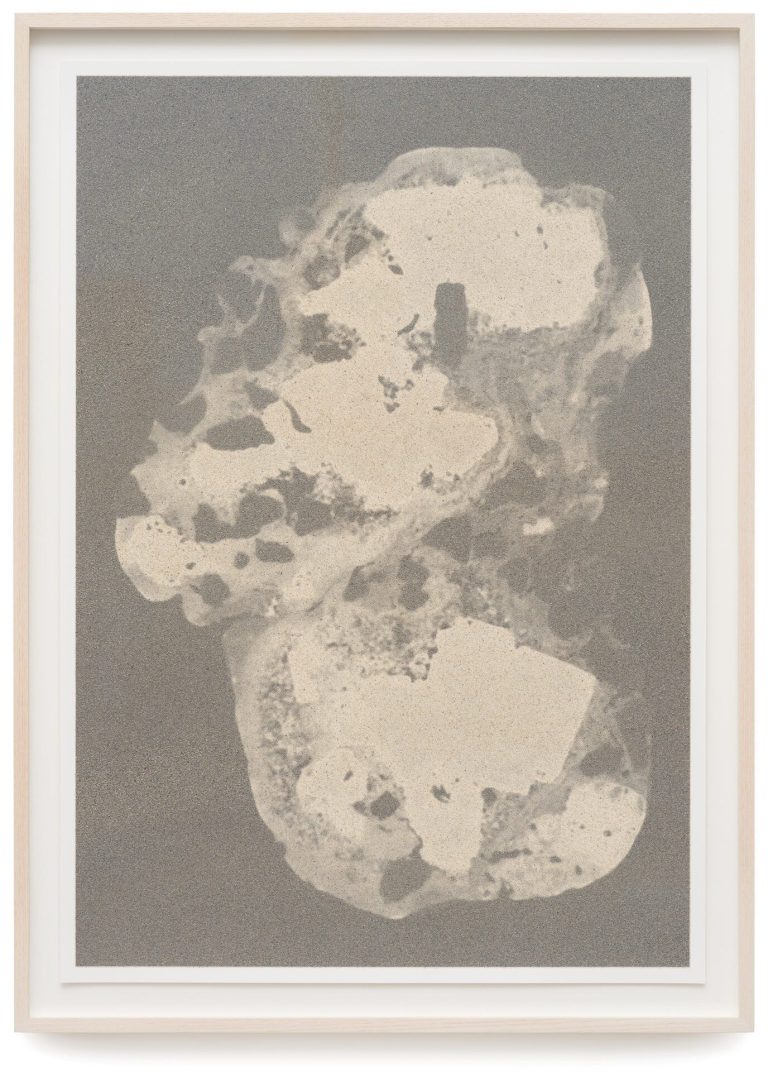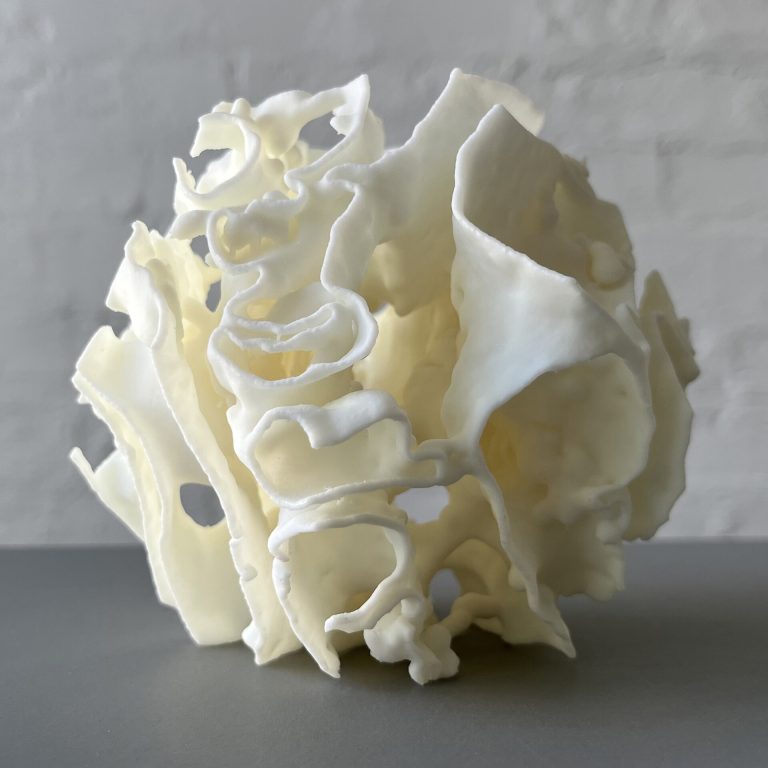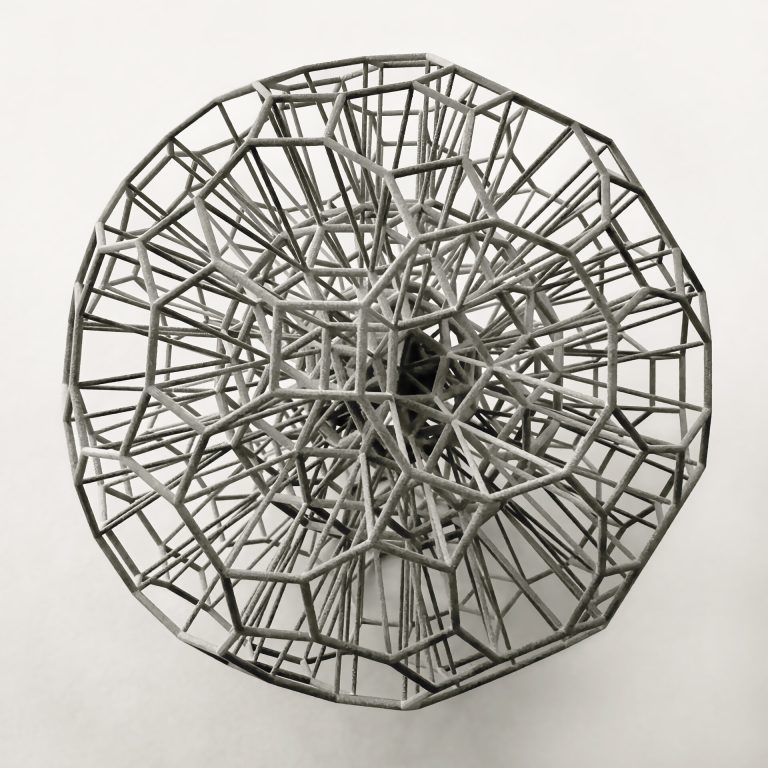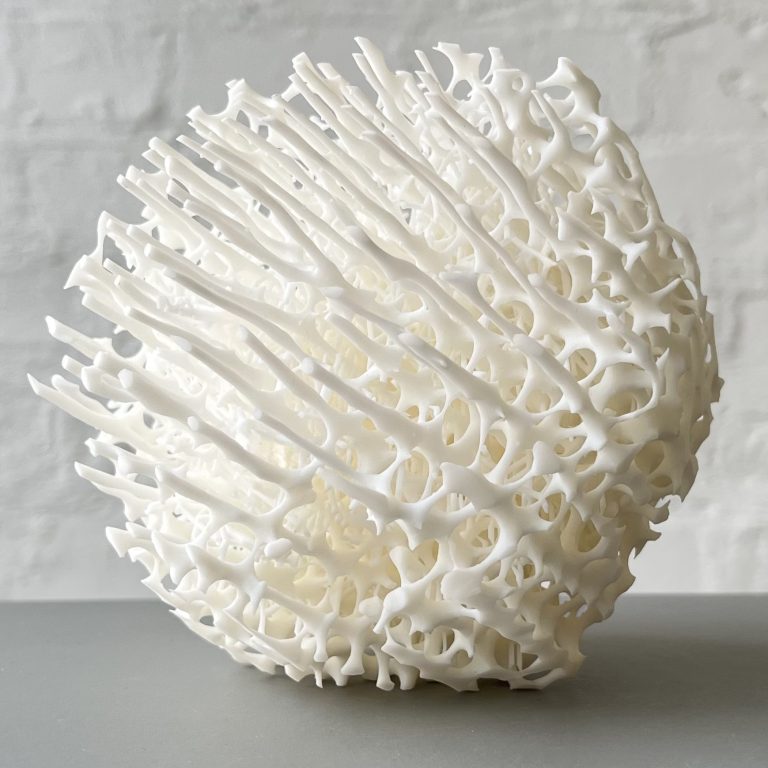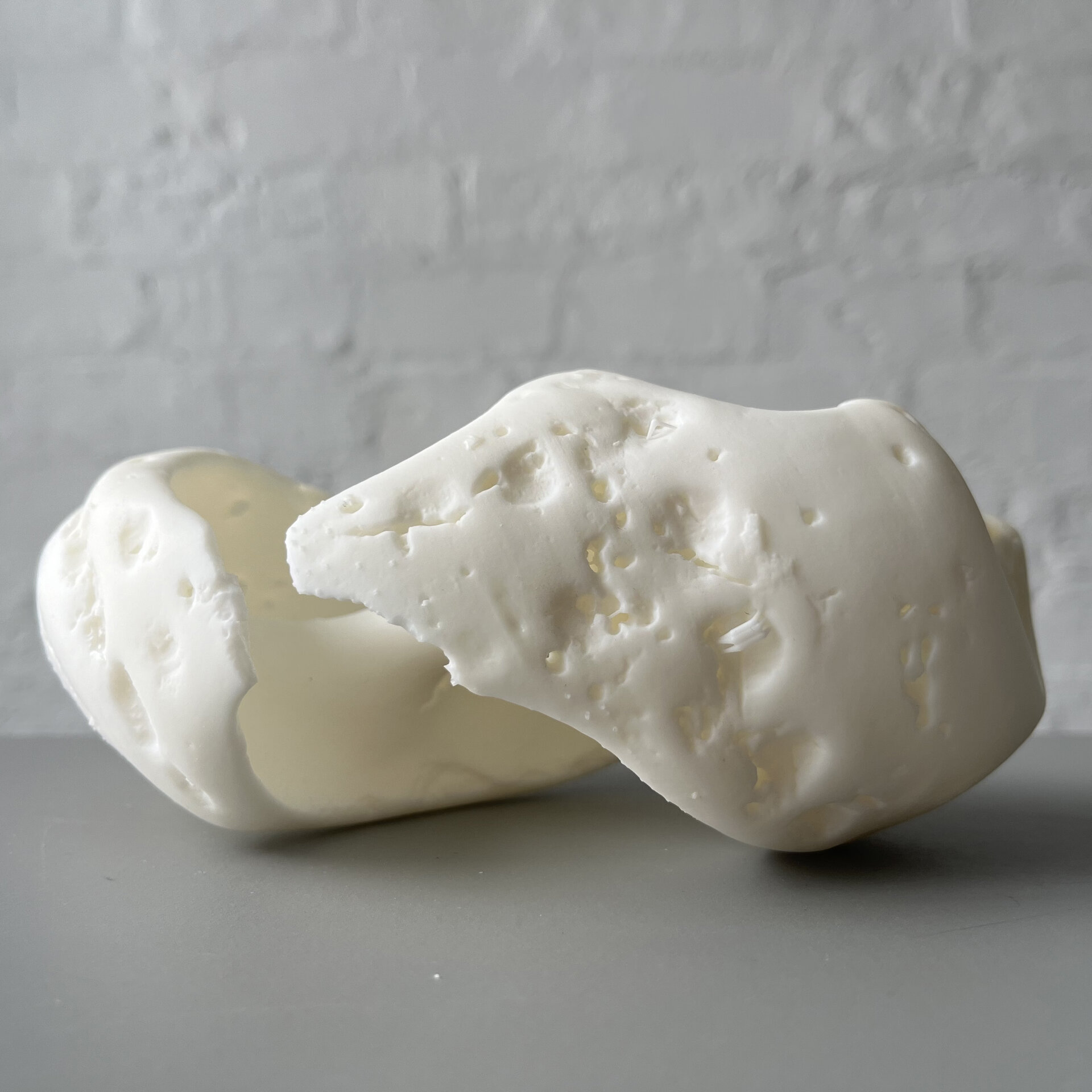
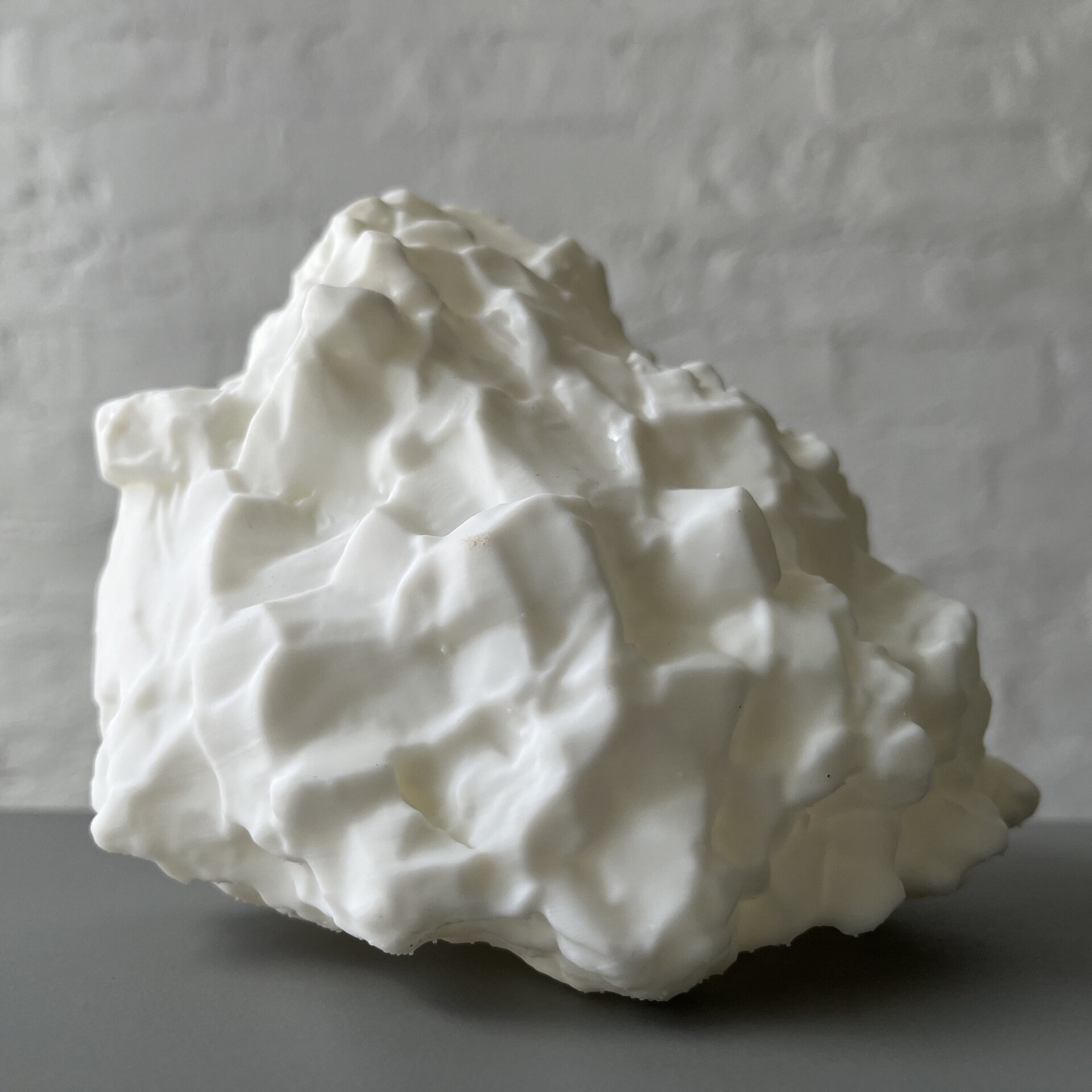
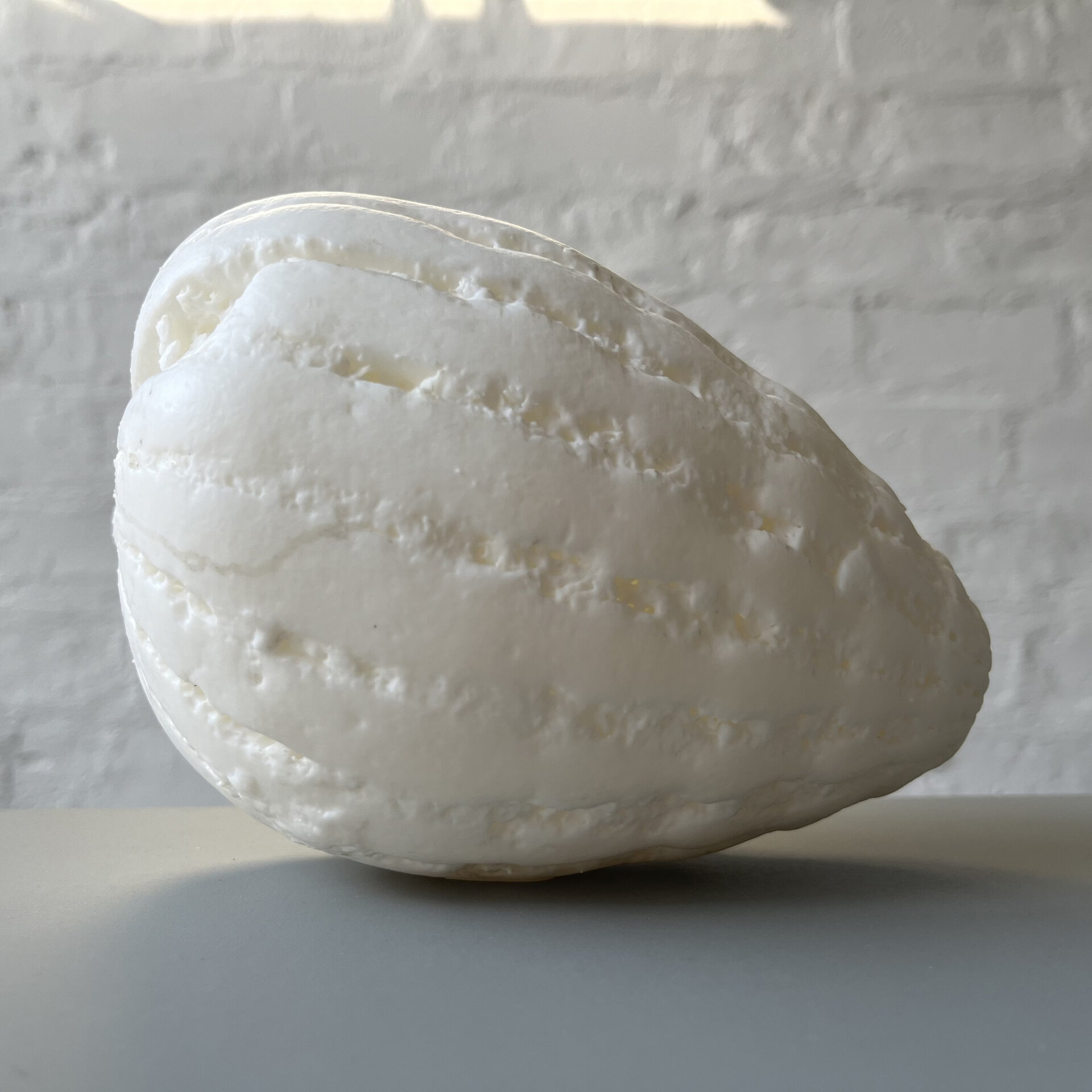
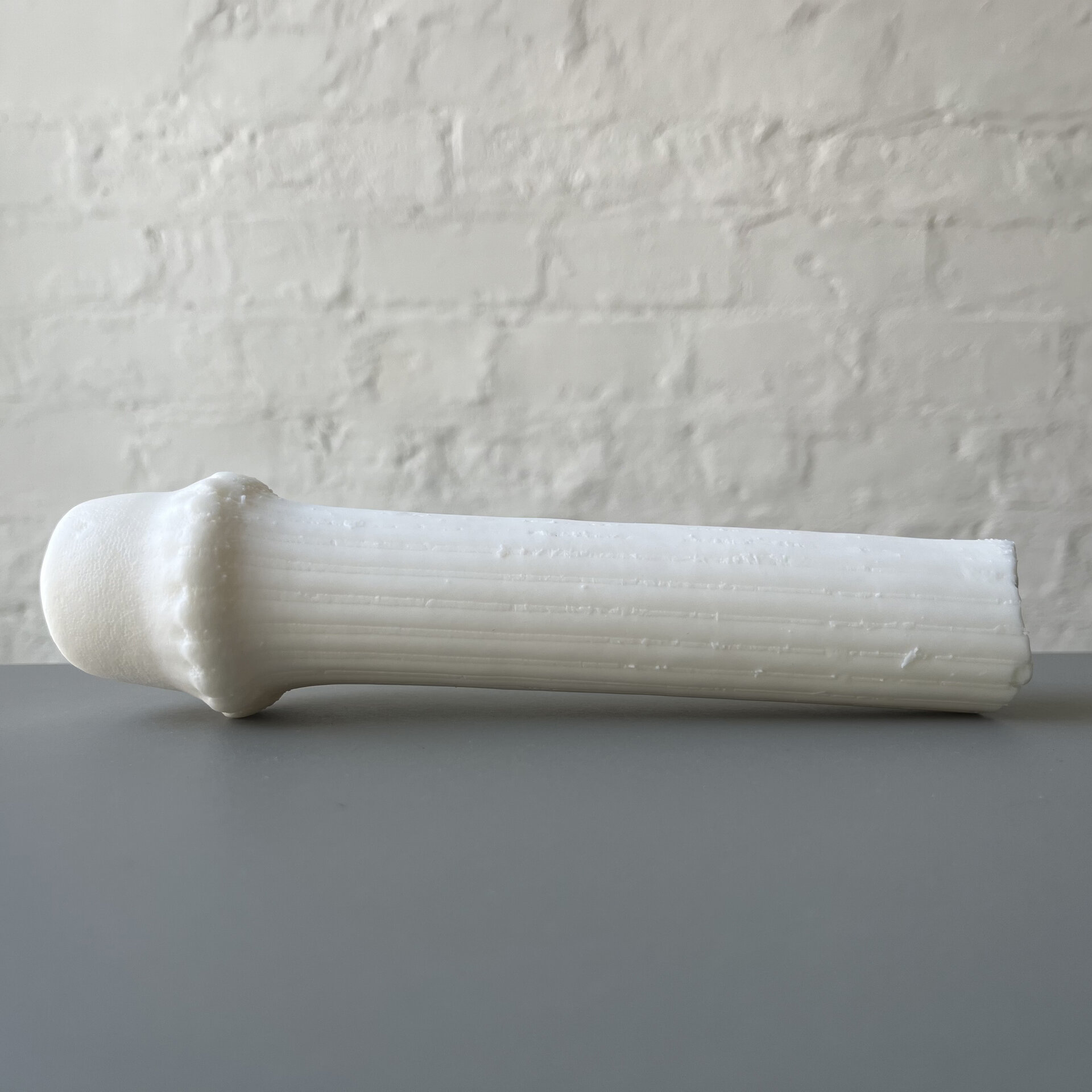
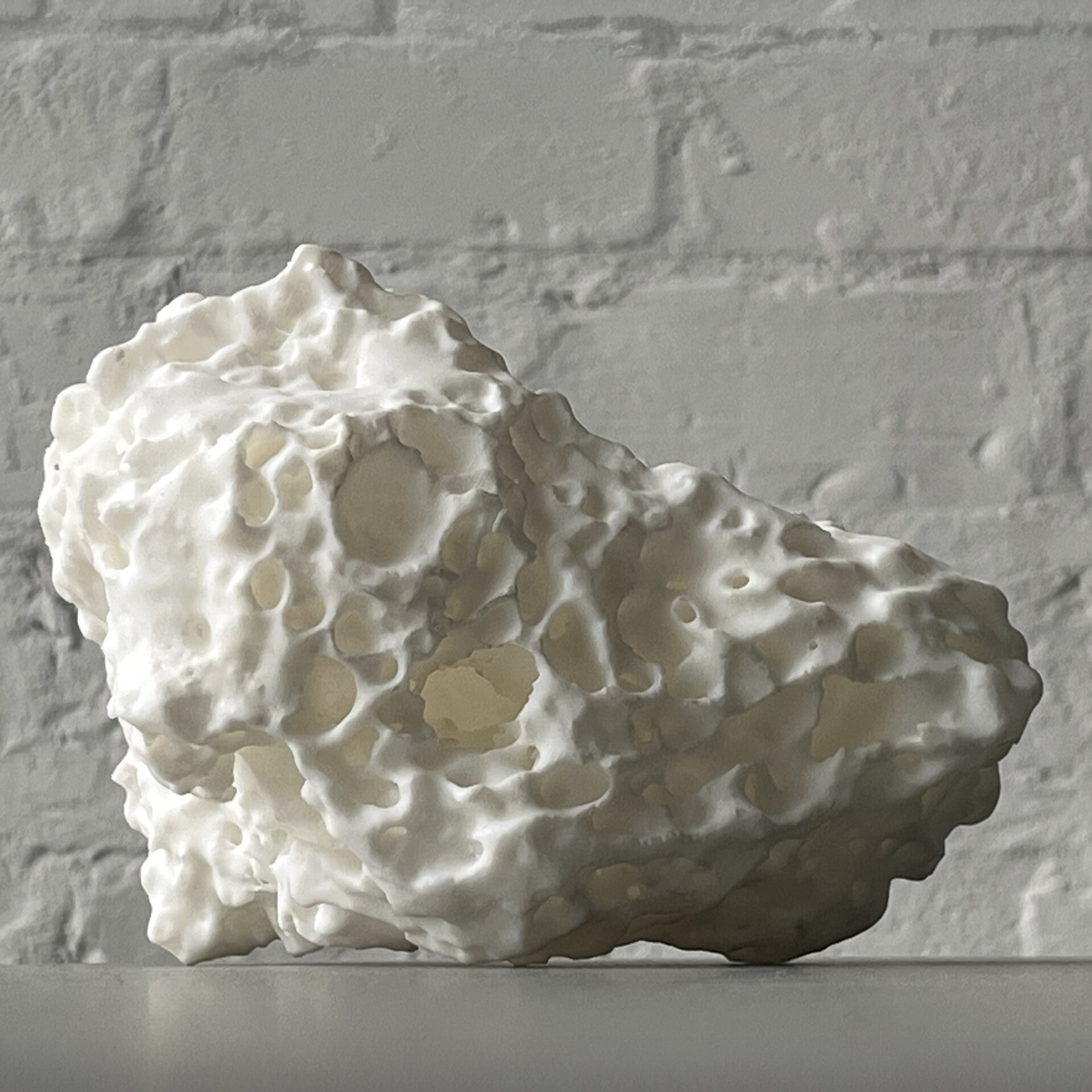
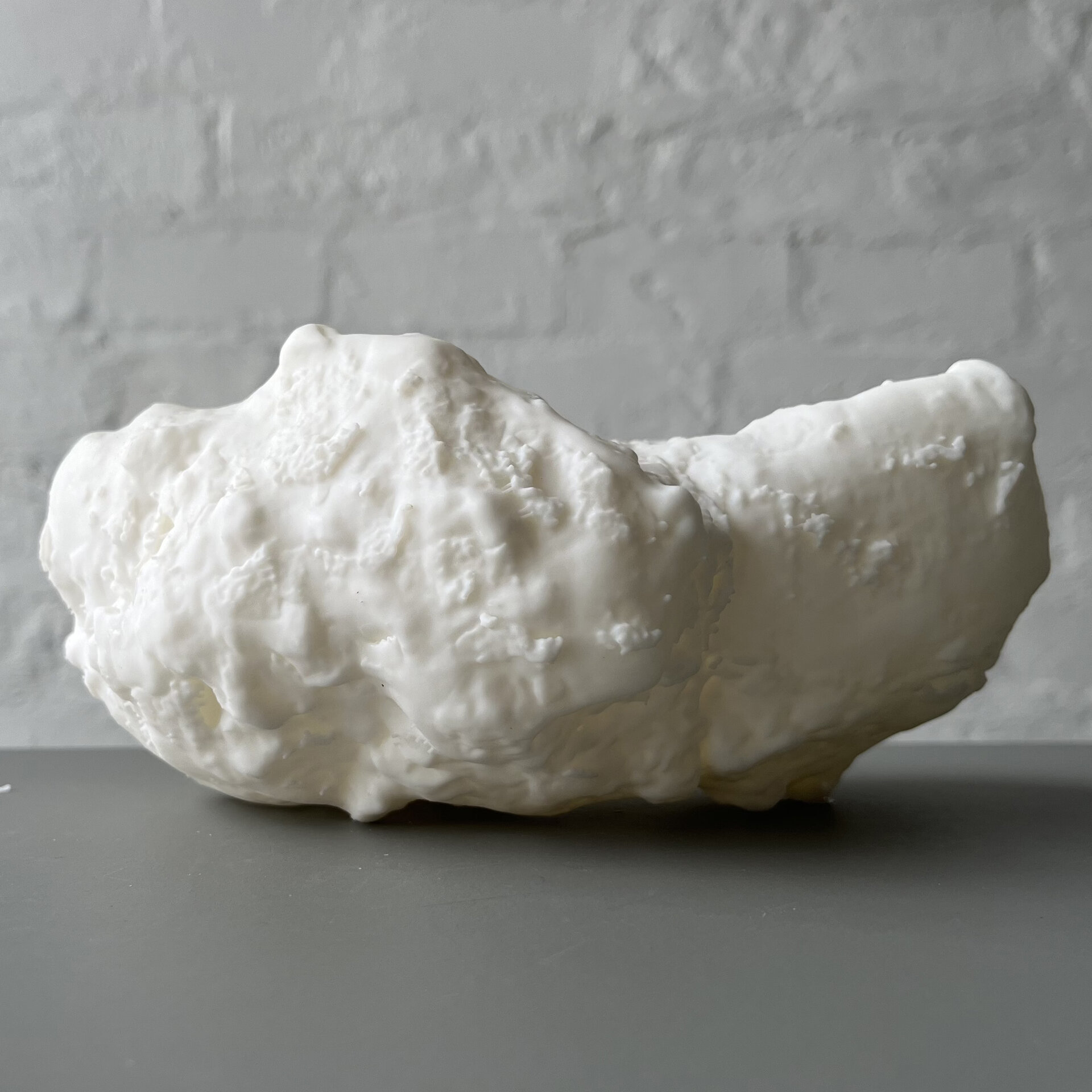
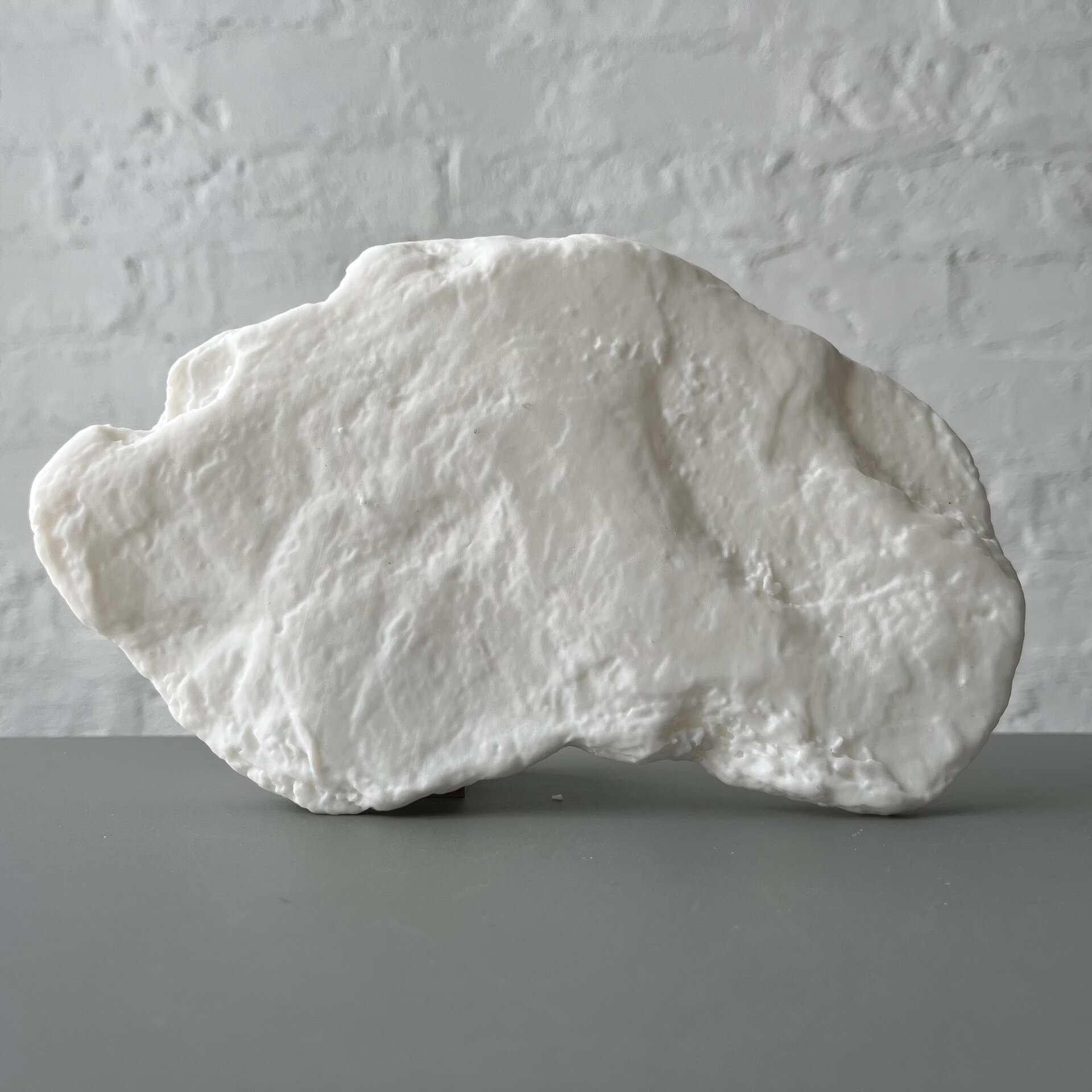
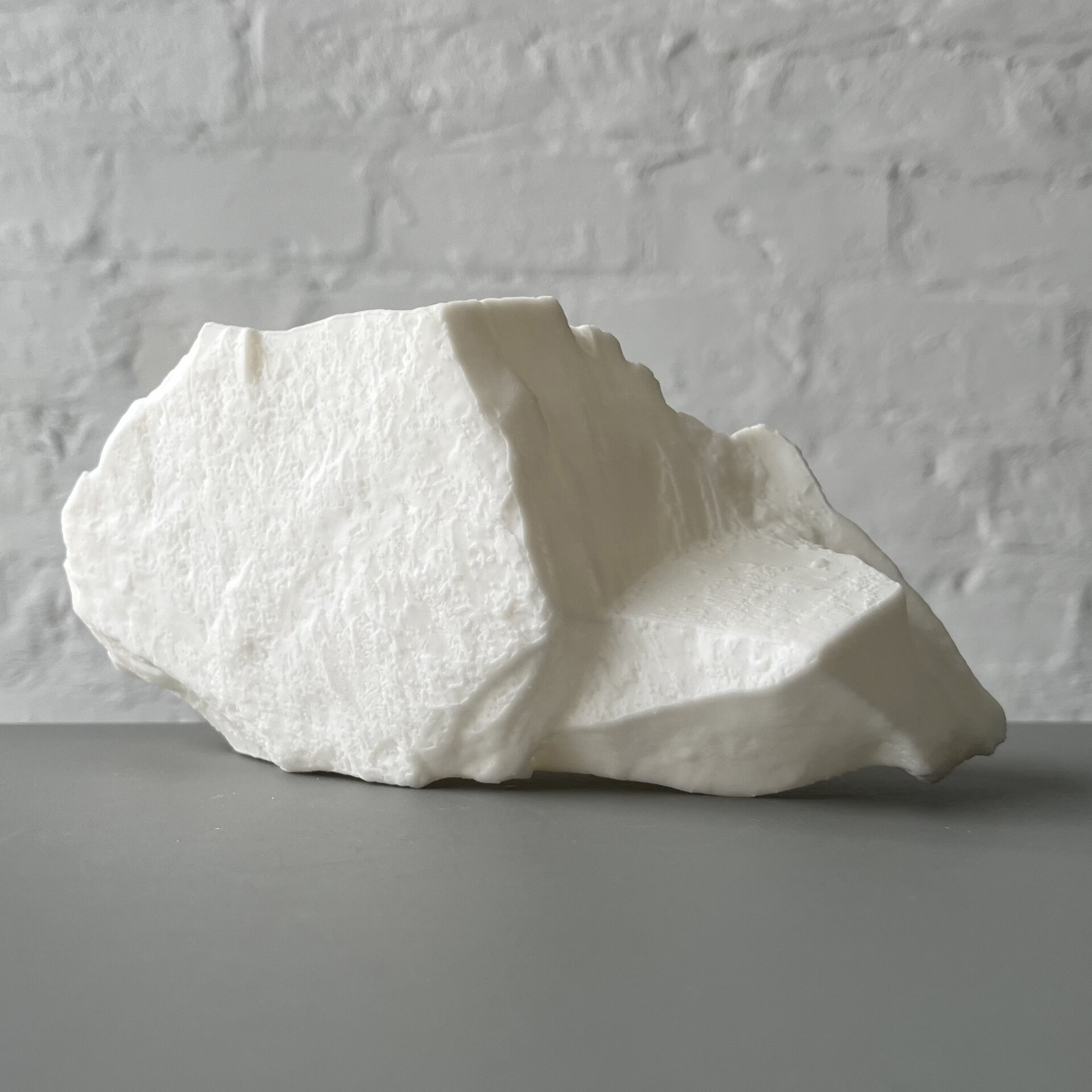
The Nano-CT study investigates methods for scanning sand grains at sub-micron resolution using computed tomography. Zeiss X-ray microscopy generates DICOM data from individual grains, revealing microscopic surface topologies invisible to standard observation. Computational processing translates high-resolution scan data into fabricatable three-dimensional meshes. Each sand grain captures geological history — transport distance, mineral composition, erosion patterns, weathering effects — encoded in microscopic surface architecture. Angular fragments indicate recent fracture; rounded forms record millennia of water transport; pitted surfaces trace chemical weathering. Processing approaches are tested for how they balance surface fidelity against digital manufacturing constraints such as minimum wall thickness and overhang angles. Medical imaging technology adapts here to geological materials: scan parameters, reconstruction algorithms, and mesh generation techniques define protocols for capturing natural complexity at scales where microscopic form records material history. The investigation remains ongoing.
Photography: Phillip C. Reiner
Artwork year: | Last updated: