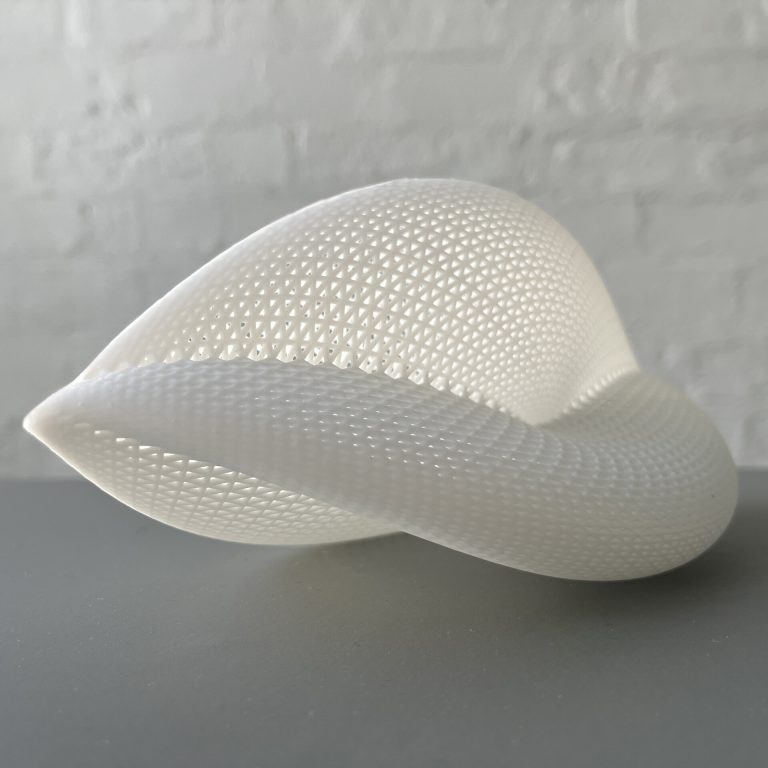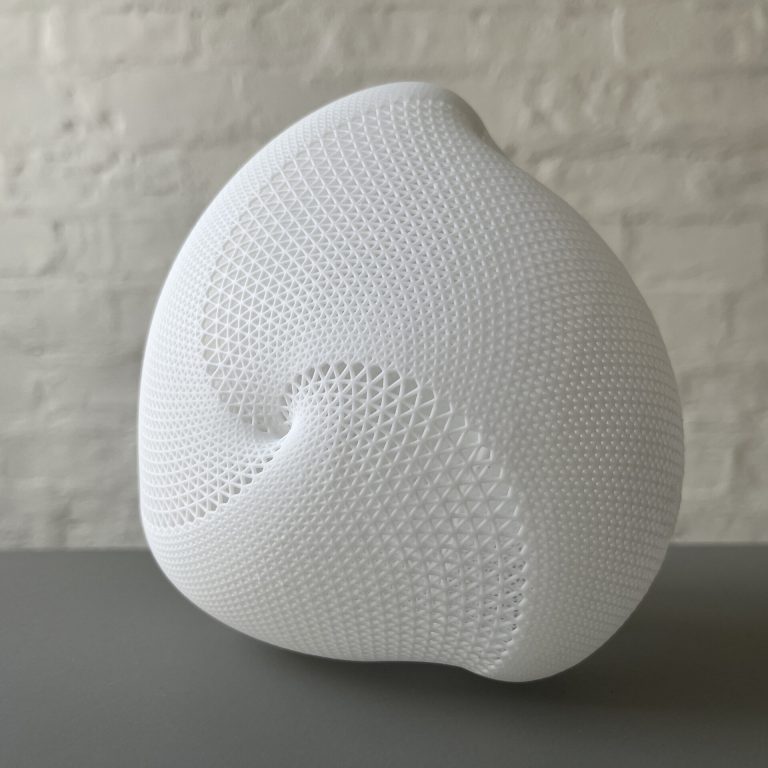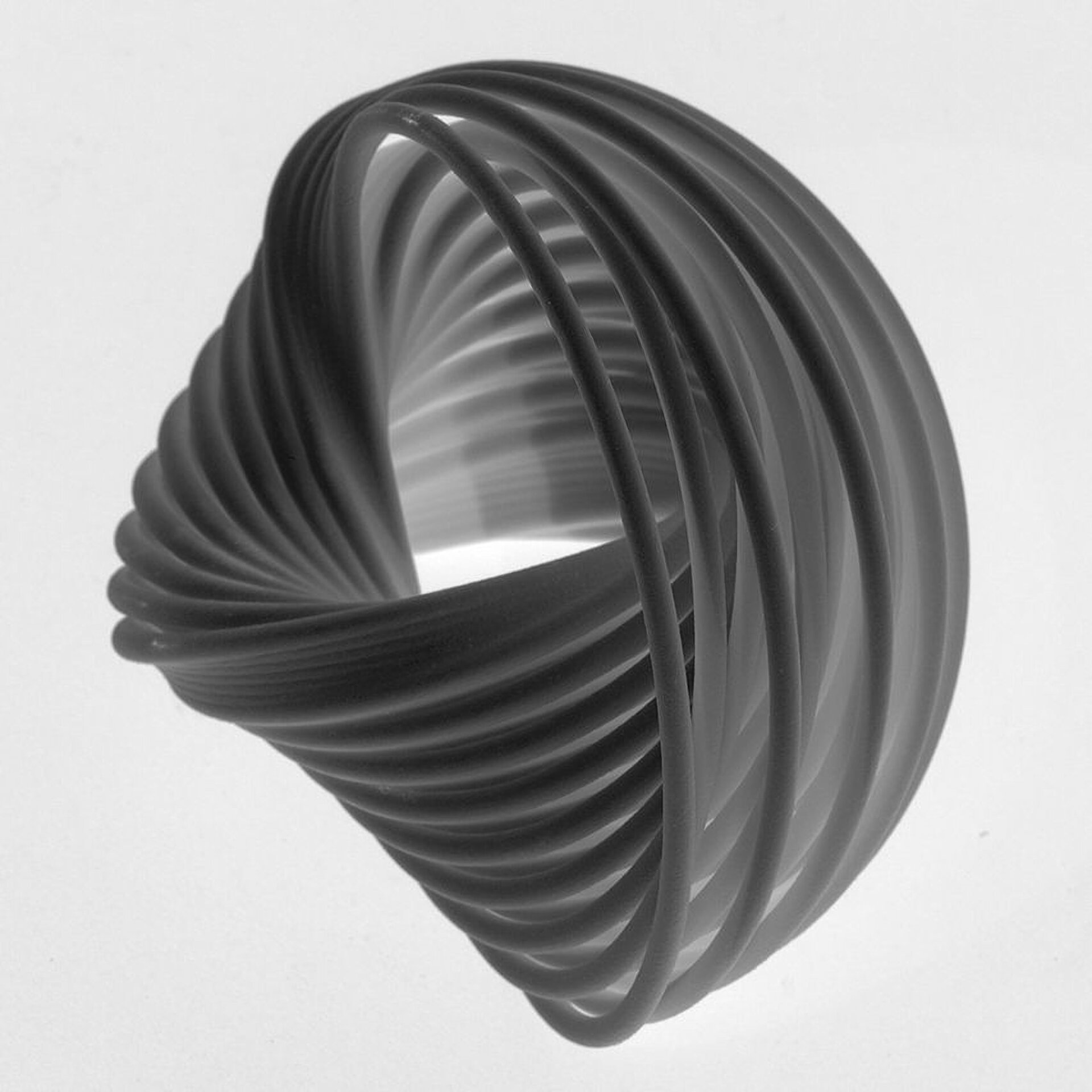
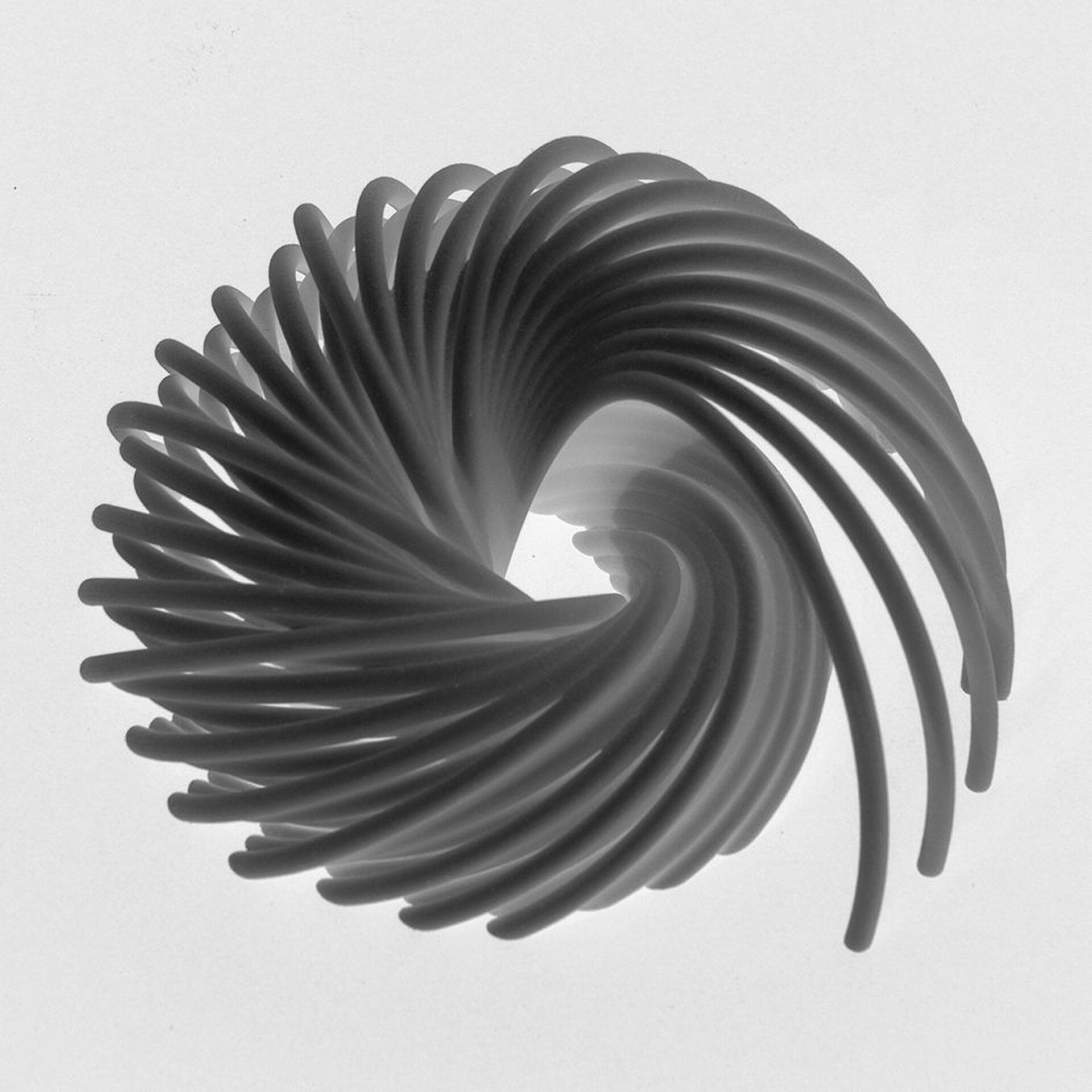
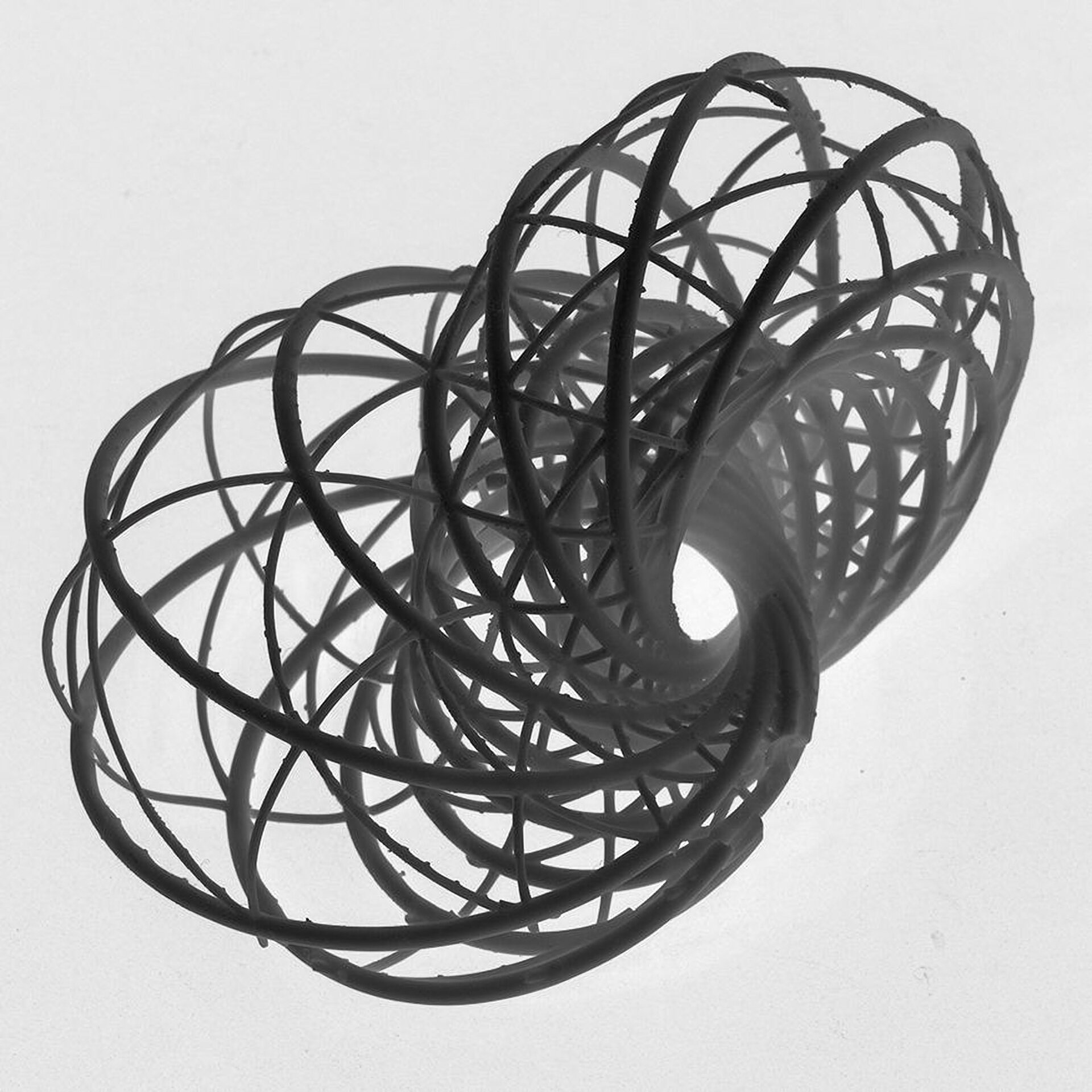
In this study of the Hopf fibrations we investigate three-dimensional visualizations of higher-dimensional topology. The Hopf fibration is a map from the 3-sphere to the 2-sphere and we translate this map into geometric patterns through the creation of physical models. Circles which lie in four-dimensional space project into three dimensions as interlocking curves, where each fiber creates distinct geometric paths that link with every other fiber without intersection. We use stereographic projection methods to transform higher-dimensional geometry into printable three-dimensional forms. The choice of projection point and the subset of fibers which we select to display determines which topological relationships are still visible in the physical object. Fiber density and tube radius constrain the printable output: too many fibers and the object has unprintable intersections, too few and we lose the structural pattern of the fibration. We test different visualization methods in how effectively they communicate the structure of the fibration and how different projection parameters affect the clarity of the patterns in the print. The physical models demonstrate the fiber linking patterns and the non-trivial topology of the Hopf fibration. This investigation is ongoing.
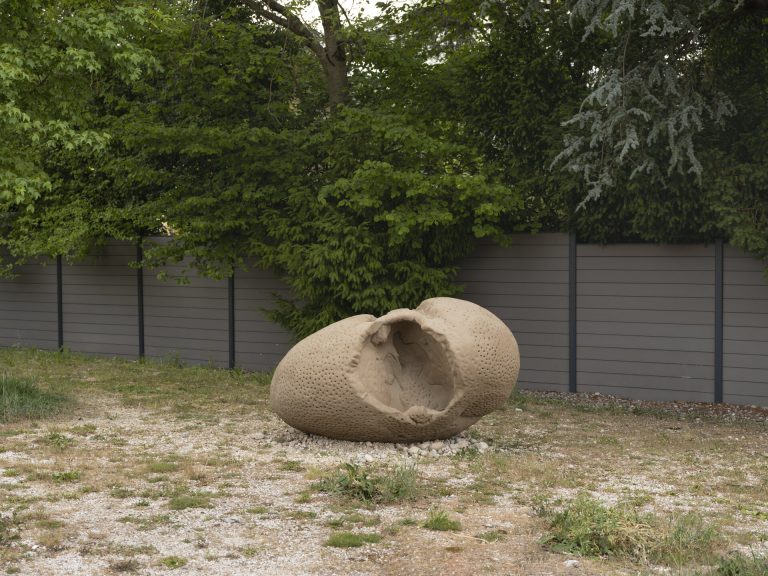
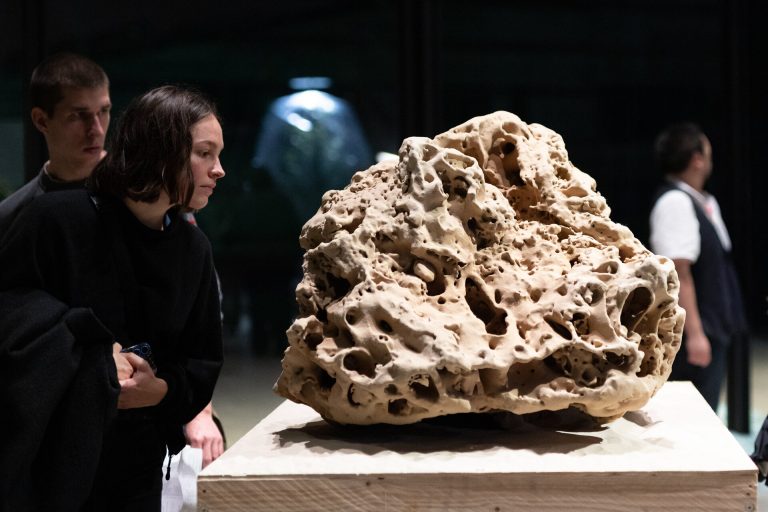
Photography: Phillip C. Reiner
Artwork year: | Last updated: