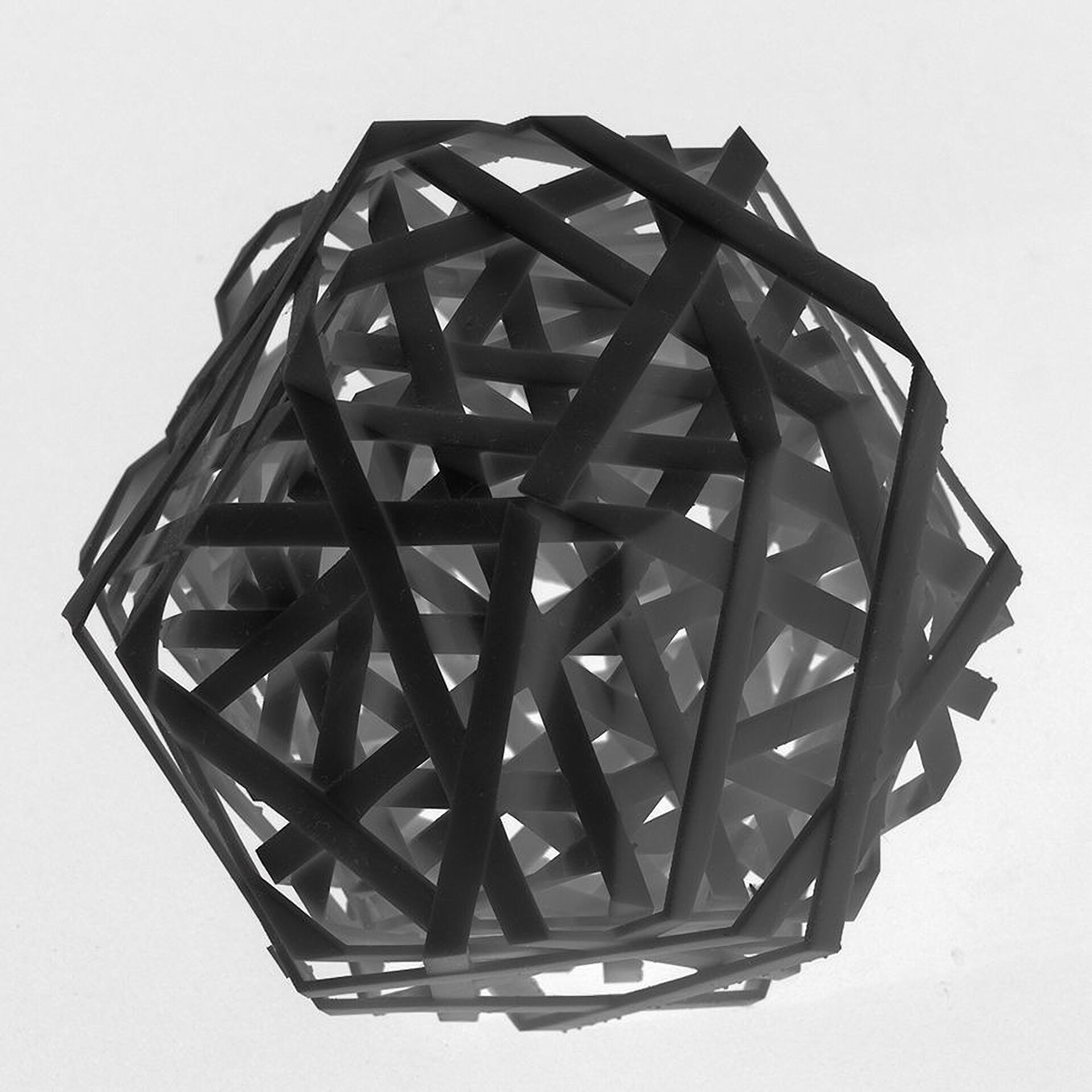
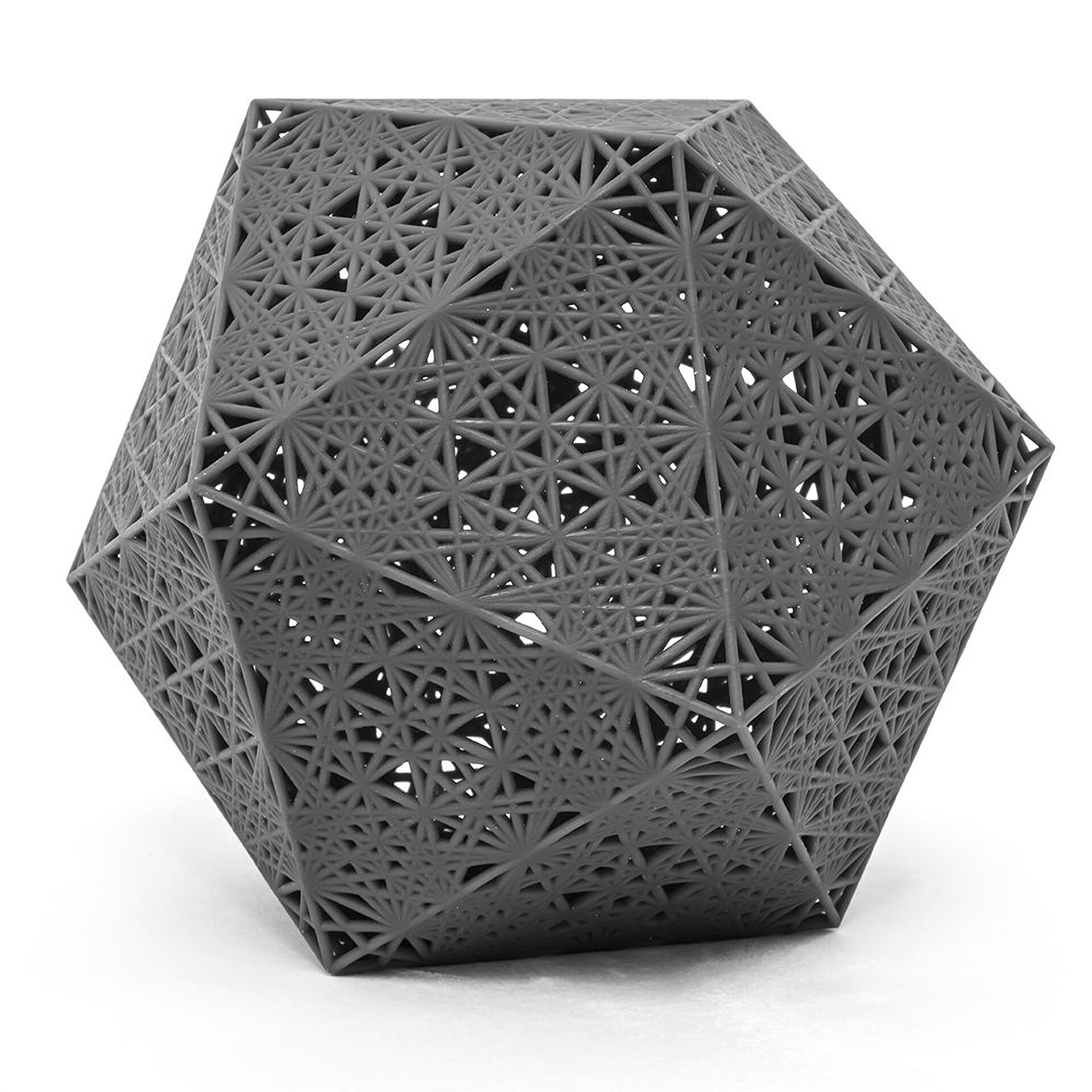
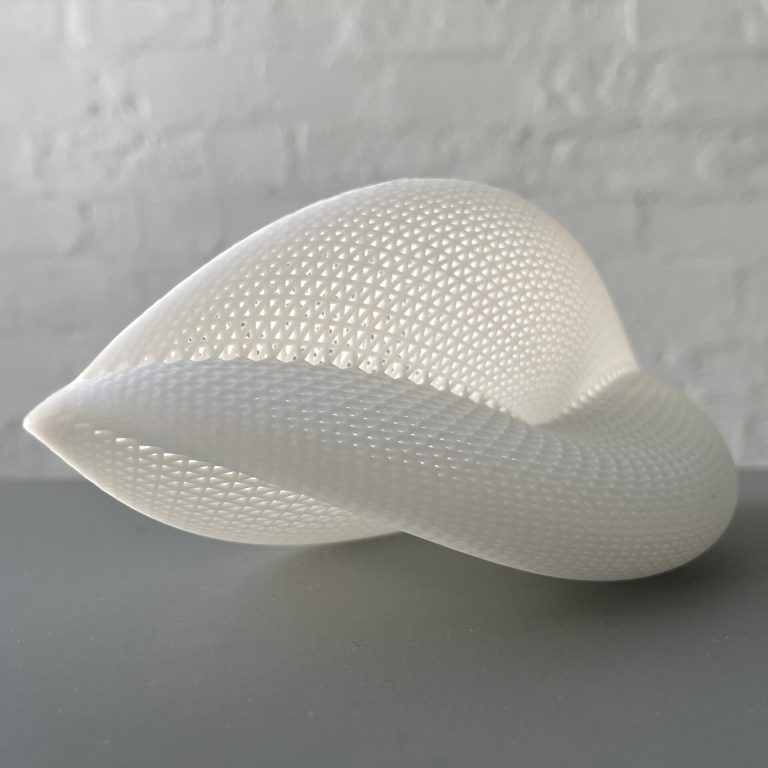
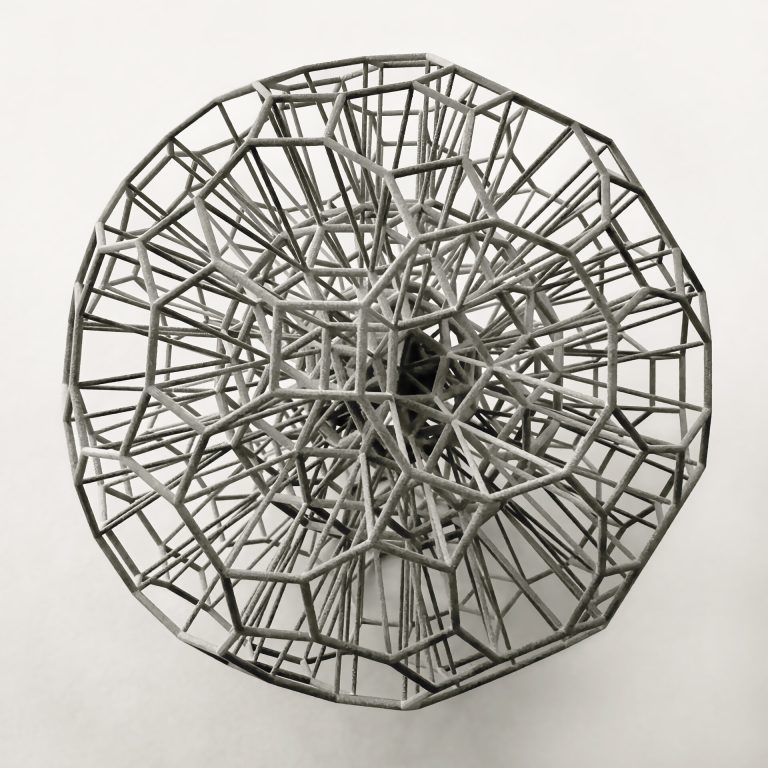
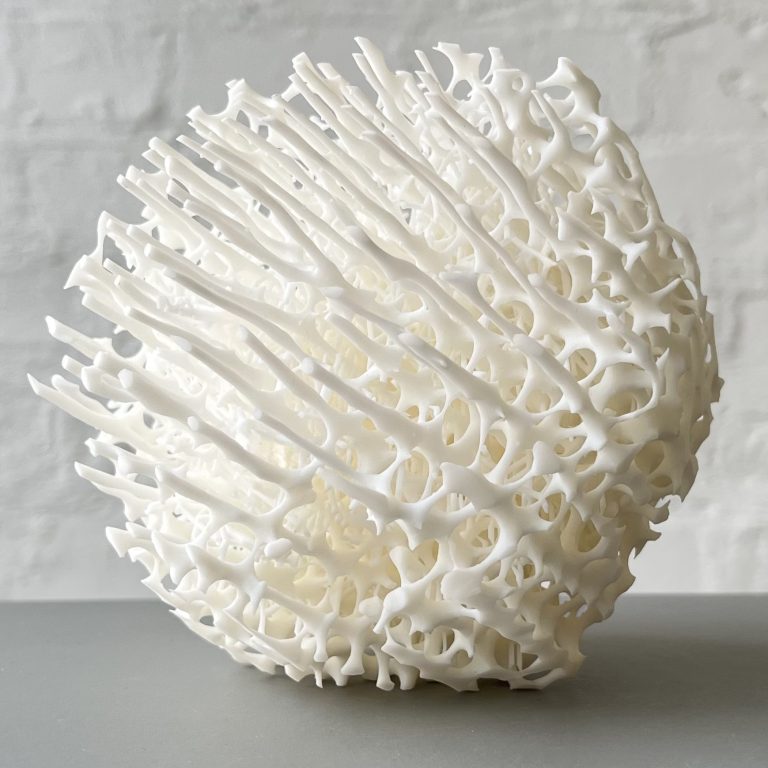
The Five-Fold Maps study investigates mapping aperiodic patterns onto three-dimensional forms with icosahedral symmetry. Two-dimensional quasicrystalline tiling patterns project onto spherical and polyhedral surfaces while maintaining their mathematical properties. The icosahedron's inherent five-fold axes make it a natural carrier for these patterns.
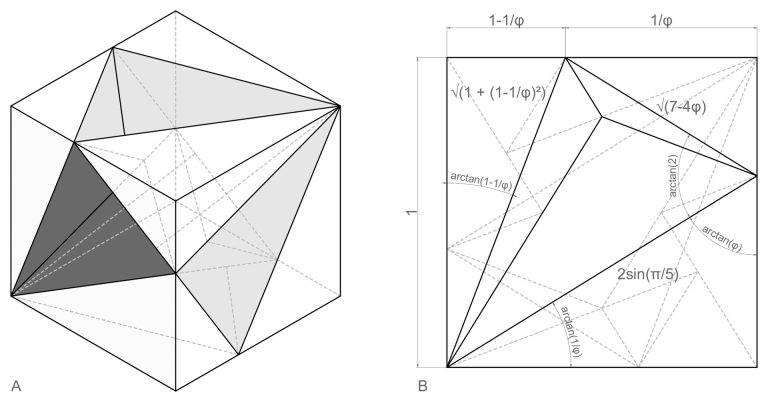
Ammann bars and related five-fold decorative systems are structural organizing principles that extend beyond surface decoration. These patterns theoretically penetrate inward, dividing volumes into fractal tetrahedral arrangements. Planar aperiodic systems translate to three-dimensional spatial organization through this projection process.
Five-fold symmetry patterns adapt to curved and polyhedral surfaces with varying degrees of distortion depending on the mapping method. Hierarchical subdivision follows aperiodic logic when applied to icosahedral forms, creating connections between two-dimensional quasicrystalline patterns and three-dimensional structural systems. The investigation remains ongoing.