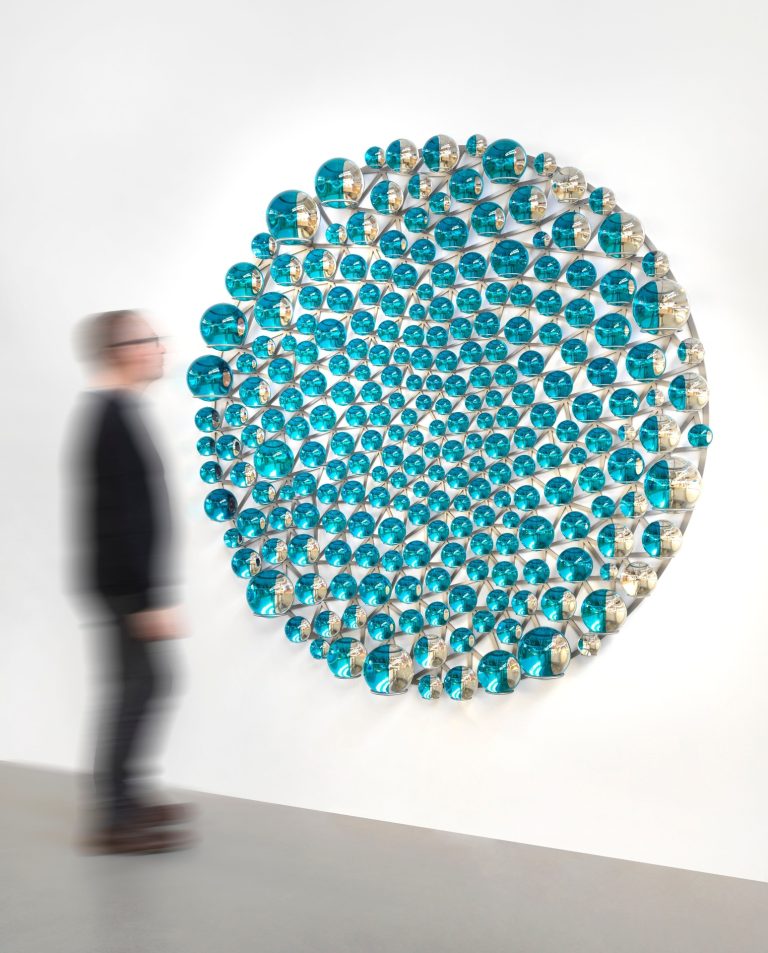
Re-QuasiBrick – Phillip C. Reiner x Olafur Eliasson, 2018
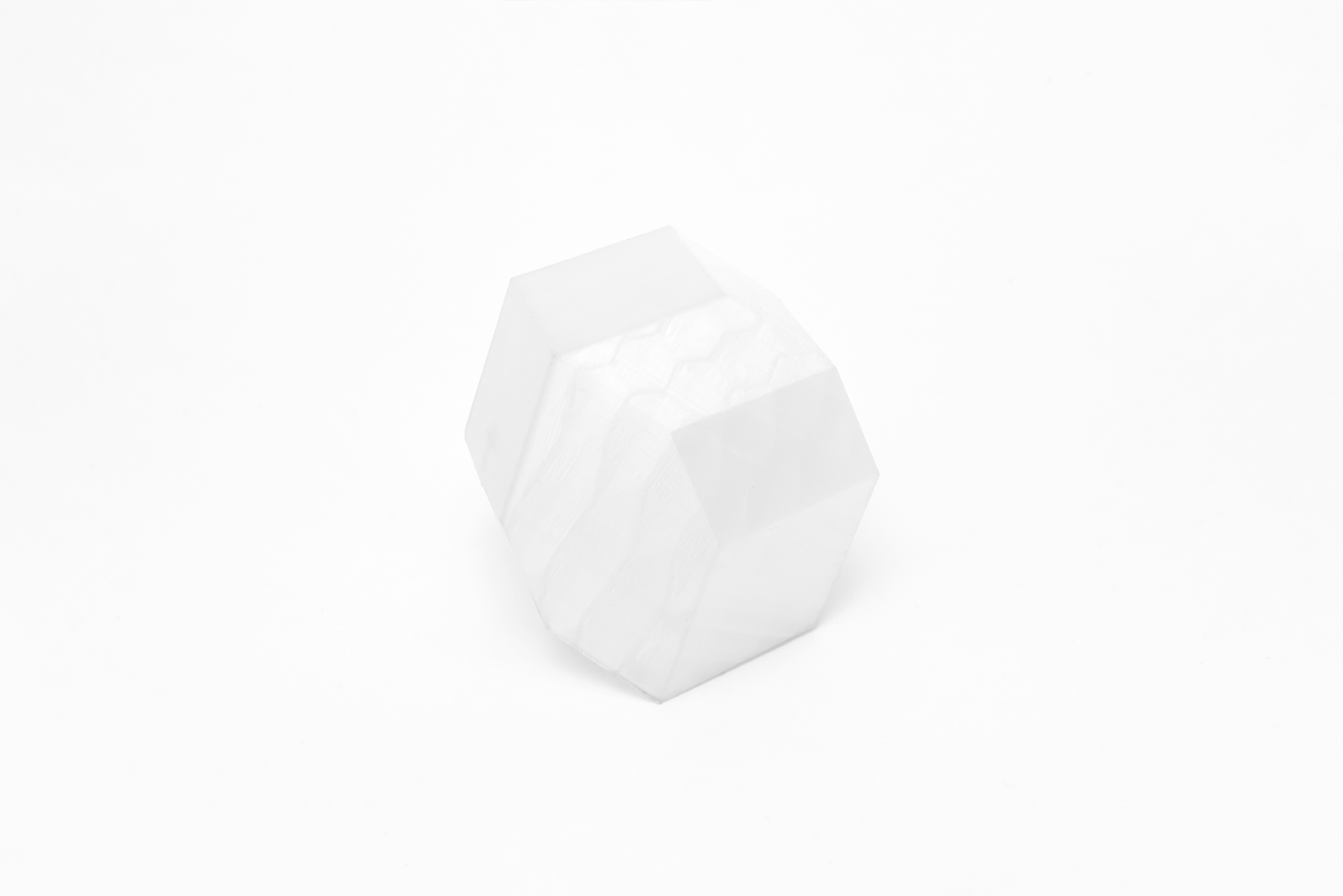
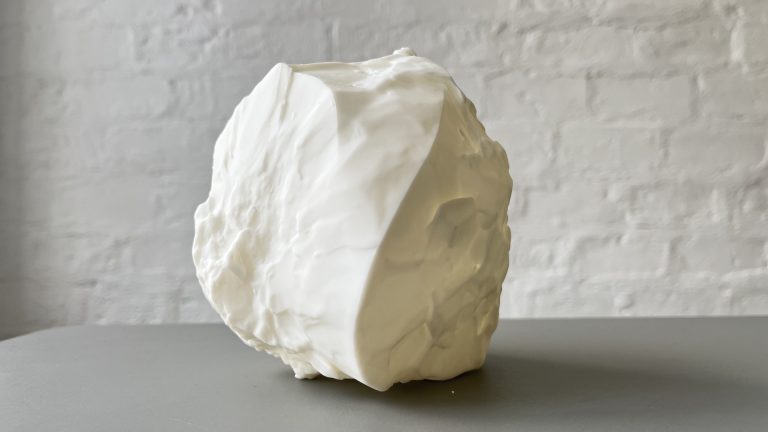
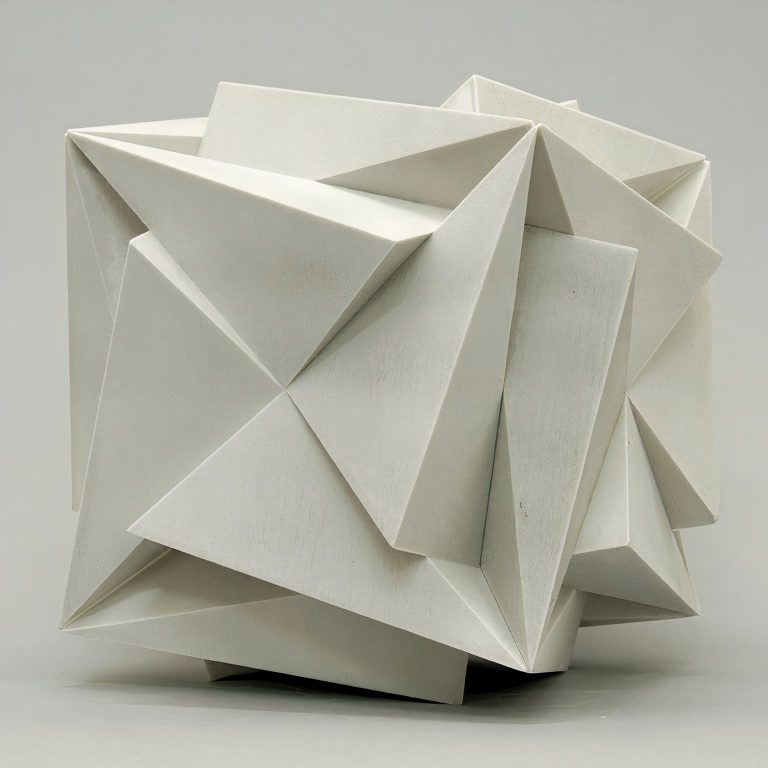
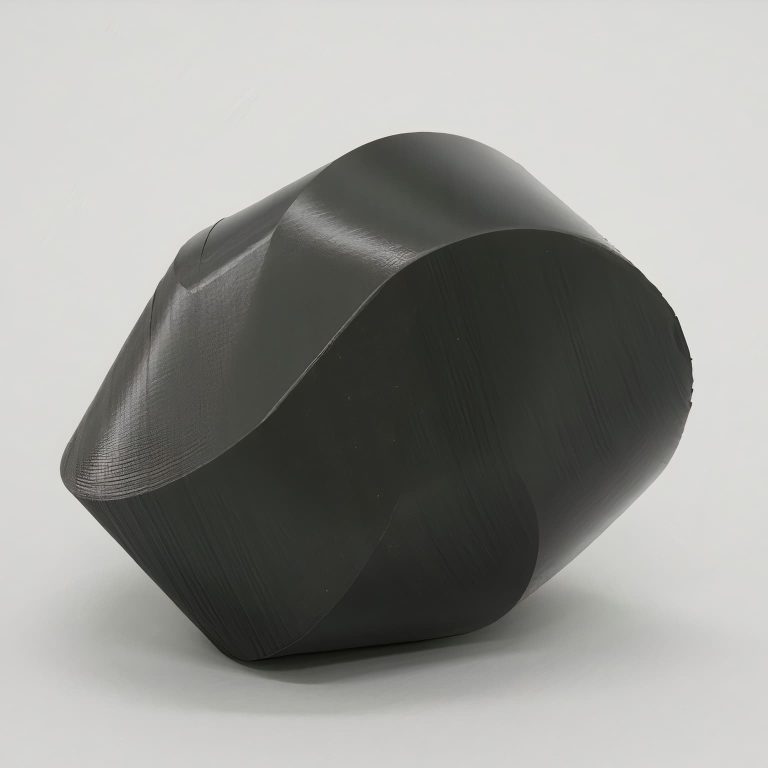
The Re-QuasiBrick study investigates Einar Thorsteinn's quasibrick geometry. The research examines how Thorsteinn created this module, likely searching for a single unit that would fill three-dimensional space aperiodically. While the quasibrick does not achieve true aperiodic space-filling, the geometric investigation reveals its construction principles. The study reconstructs Thorsteinn's methods through analysis of the module's geometry. The quasibrick was implemented in Olafur Eliasson's Harpa facade, making its geometric logic architecturally significant. The research addresses how this module organizes spatially and which geometric relationships govern its formation. The investigation tests the quasibrick's tessellation properties and explores why it falls short of complete aperiodic space-filling while documenting the geometric principles embedded in Thorsteinn's design approach. The work serves as homage to Thorsteinn's geometric investigations.