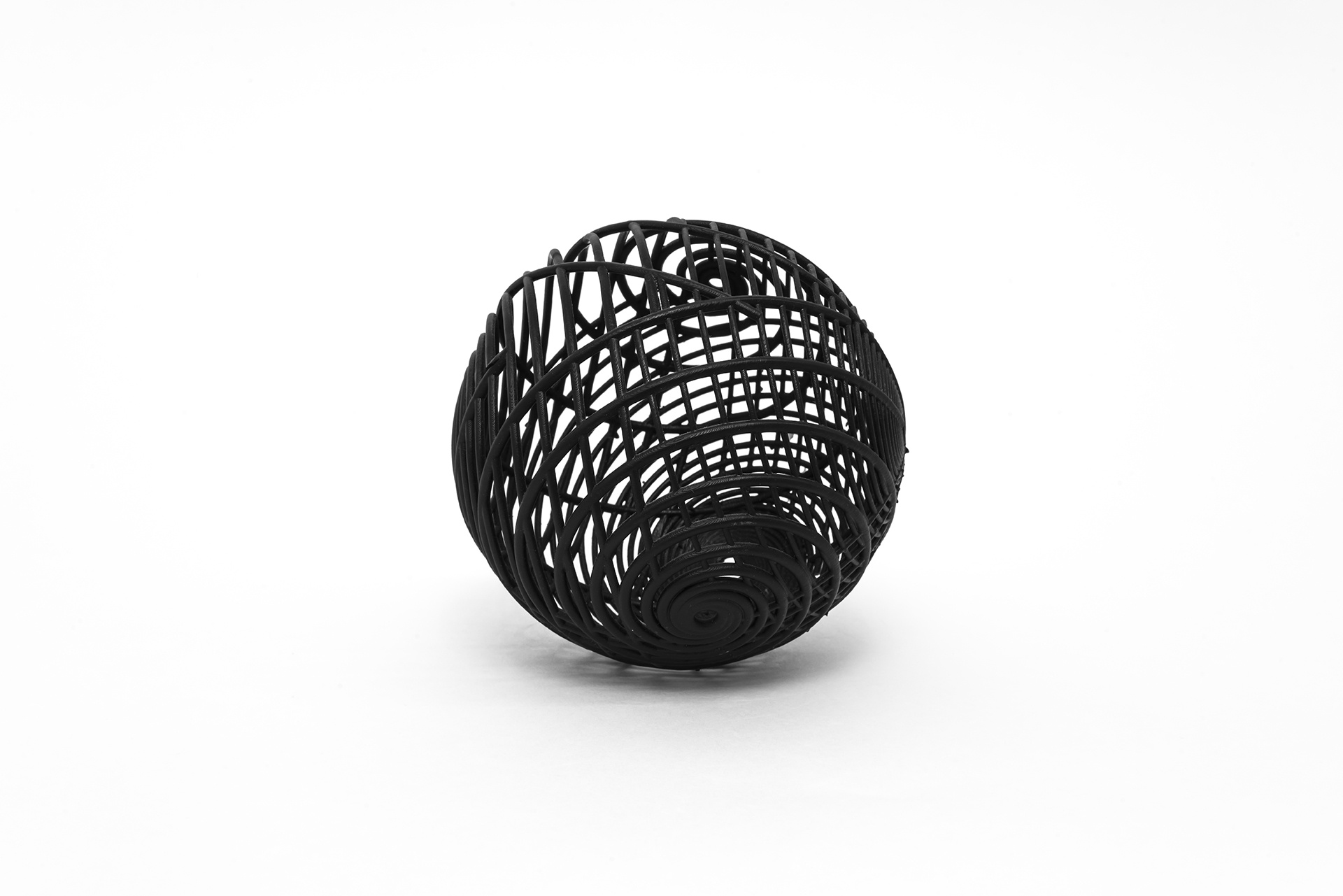
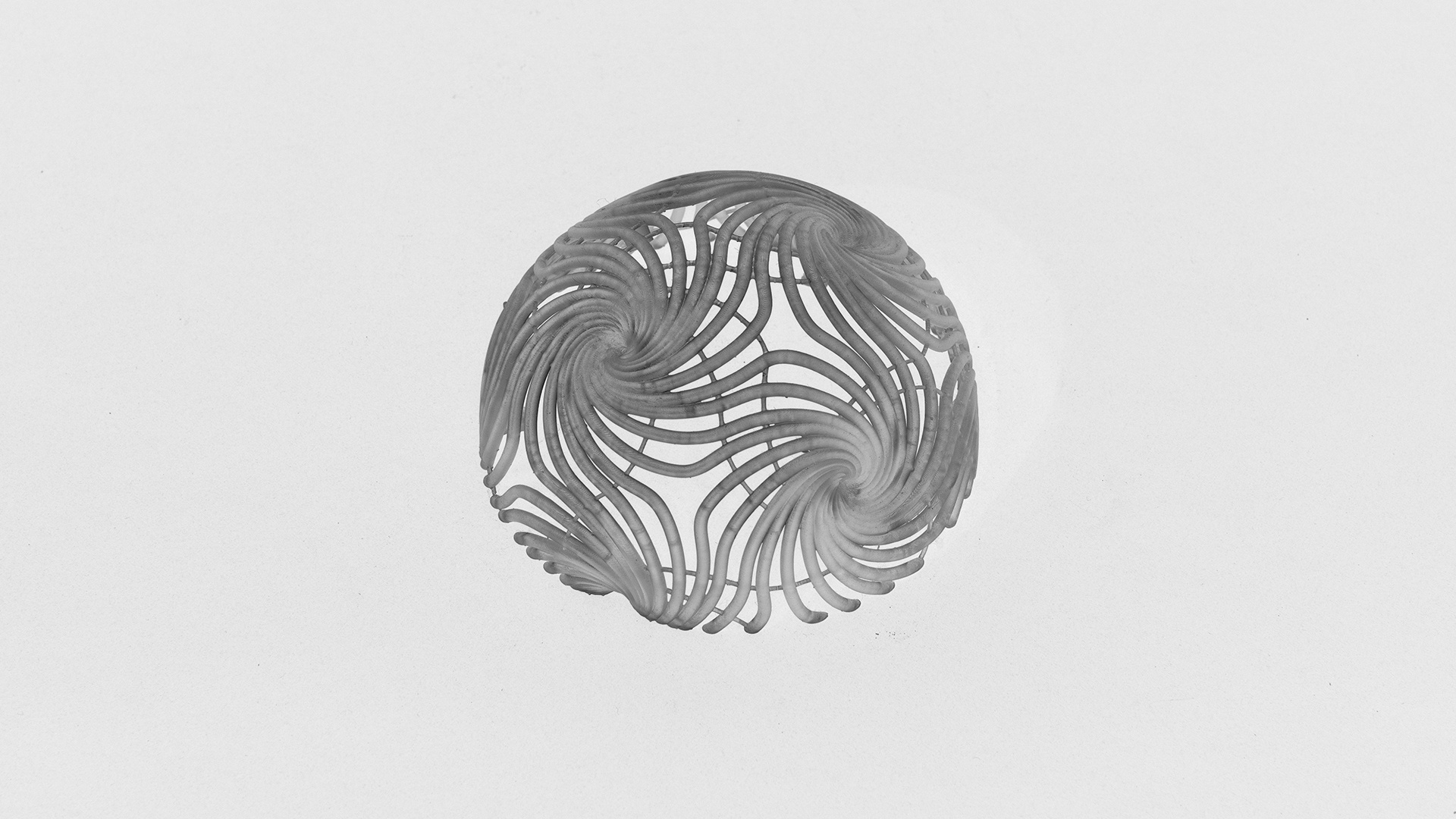
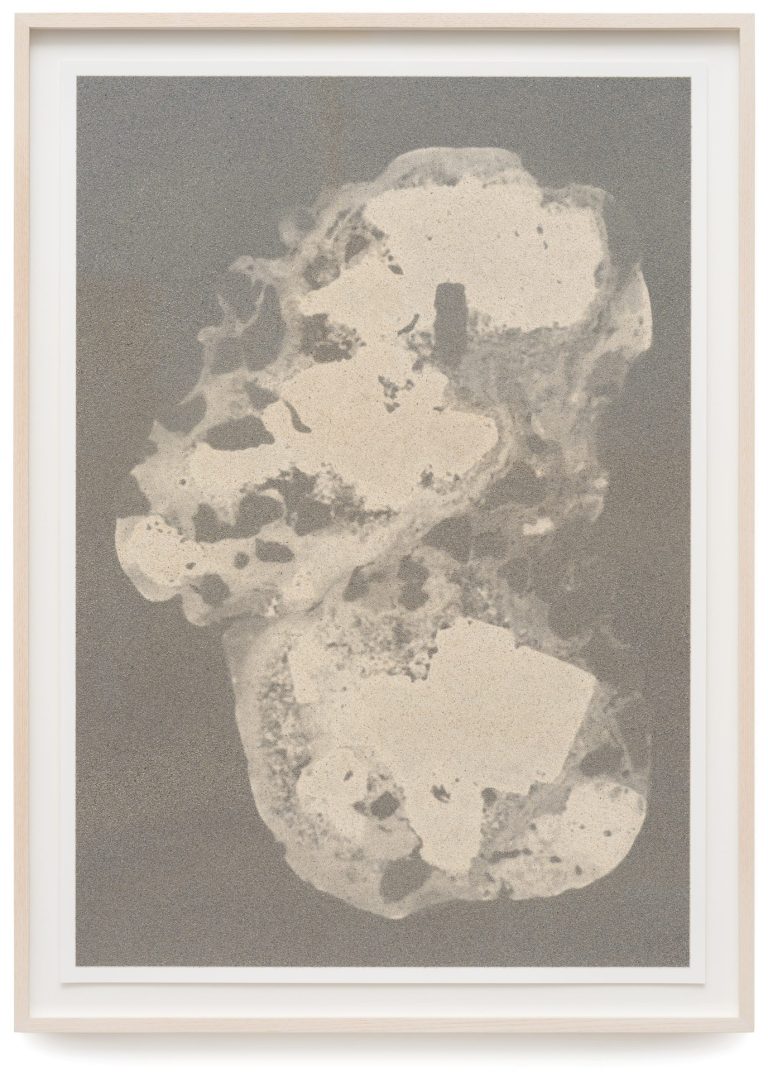
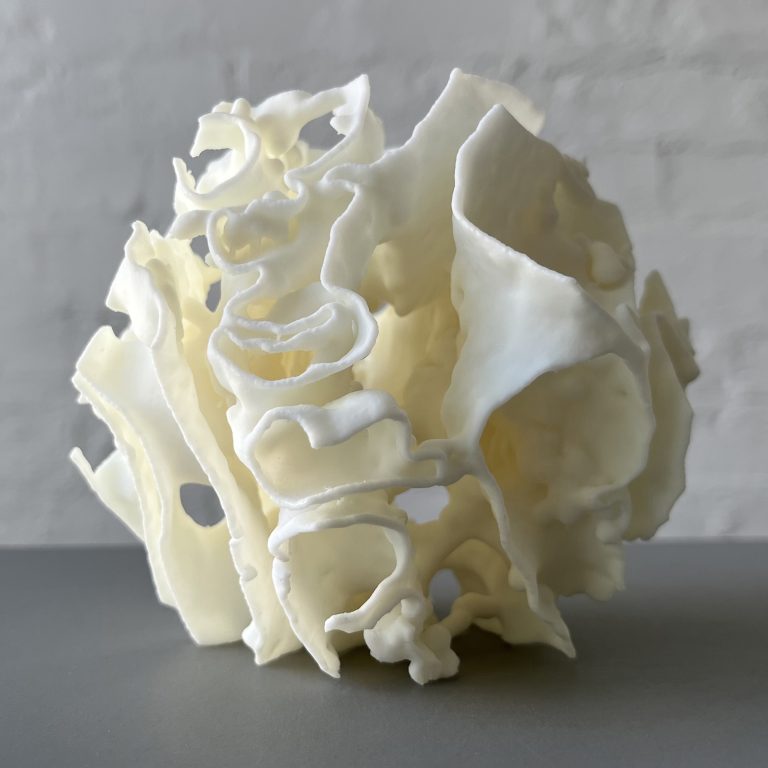
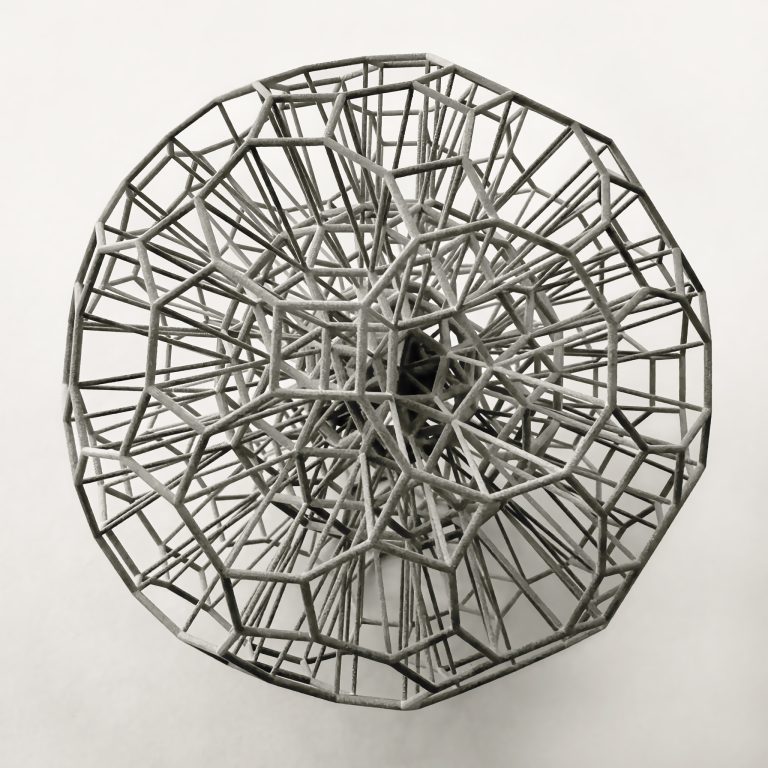
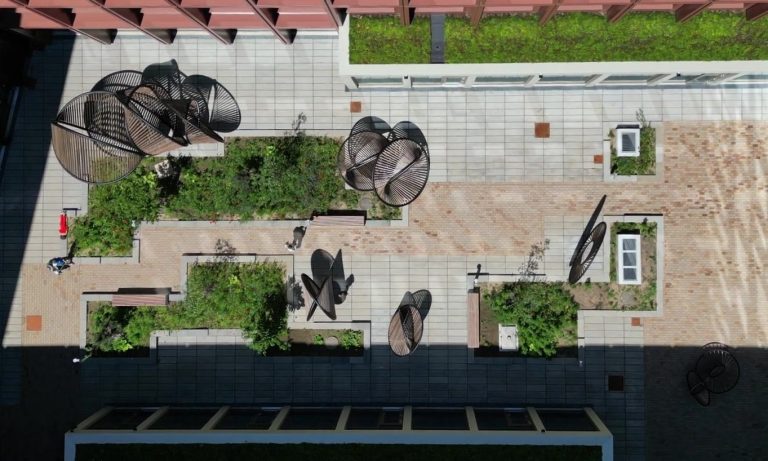
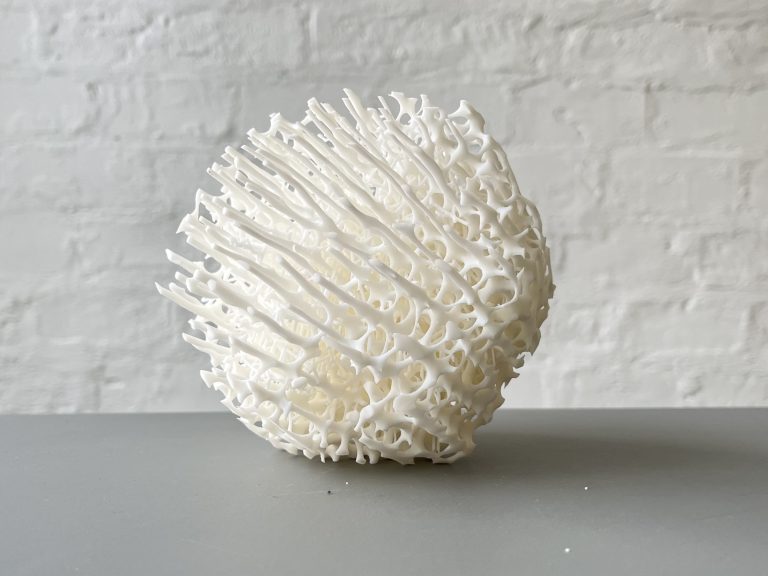
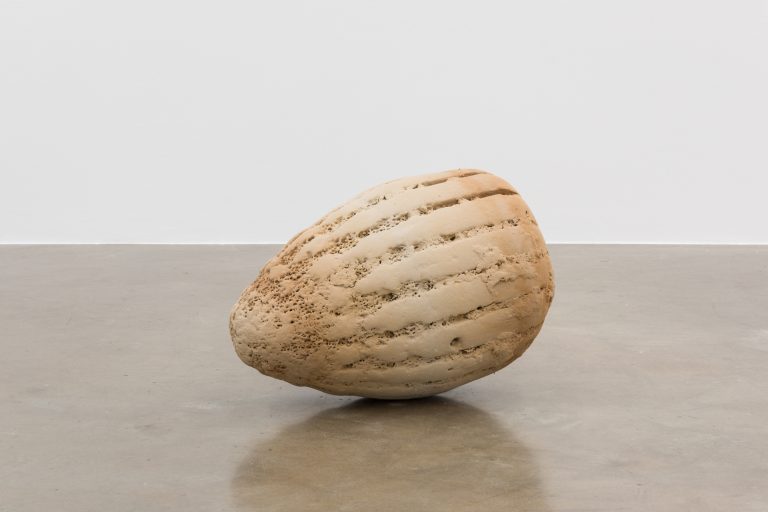
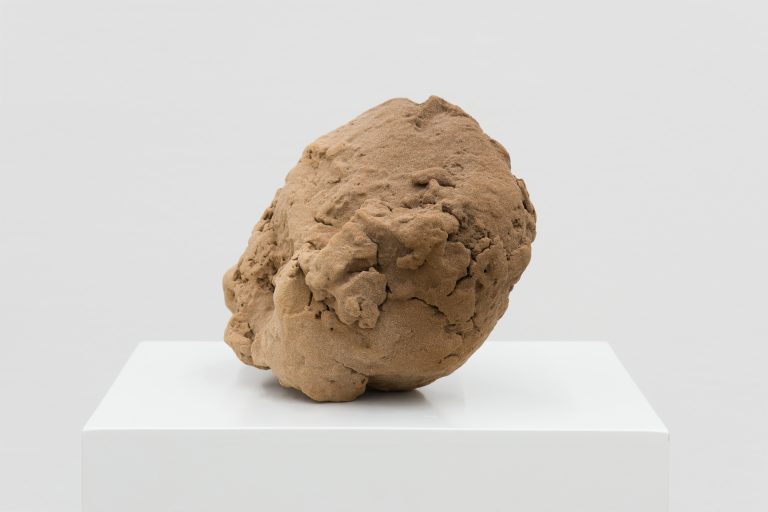
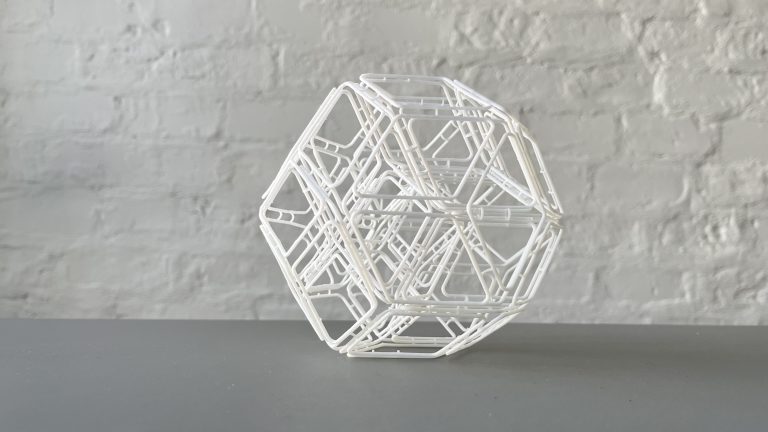
Derived from the initial WindSphere study, this research develops spherical forms that visualize flow dynamics. Vector-based weather maps showing wind patterns across the globe translate into geometric structures that represent flow mechanics while appearing to shift when viewed from different angles. The investigation explores spirals across spherical surfaces. Rotational patterns organize surface geometry through continuous curves that trace flow paths. Paneling methods divide surfaces into segments following spiral trajectories, while surface molding techniques generate relief patterns representing atmospheric movement. The studies test how spiral arrangements create visual impression of motion through static form-surface articulation that appears as dynamic flow depending on viewing position.