Fragments Proximity – Jeewi Lee x Phillip C. Reiner, 2024
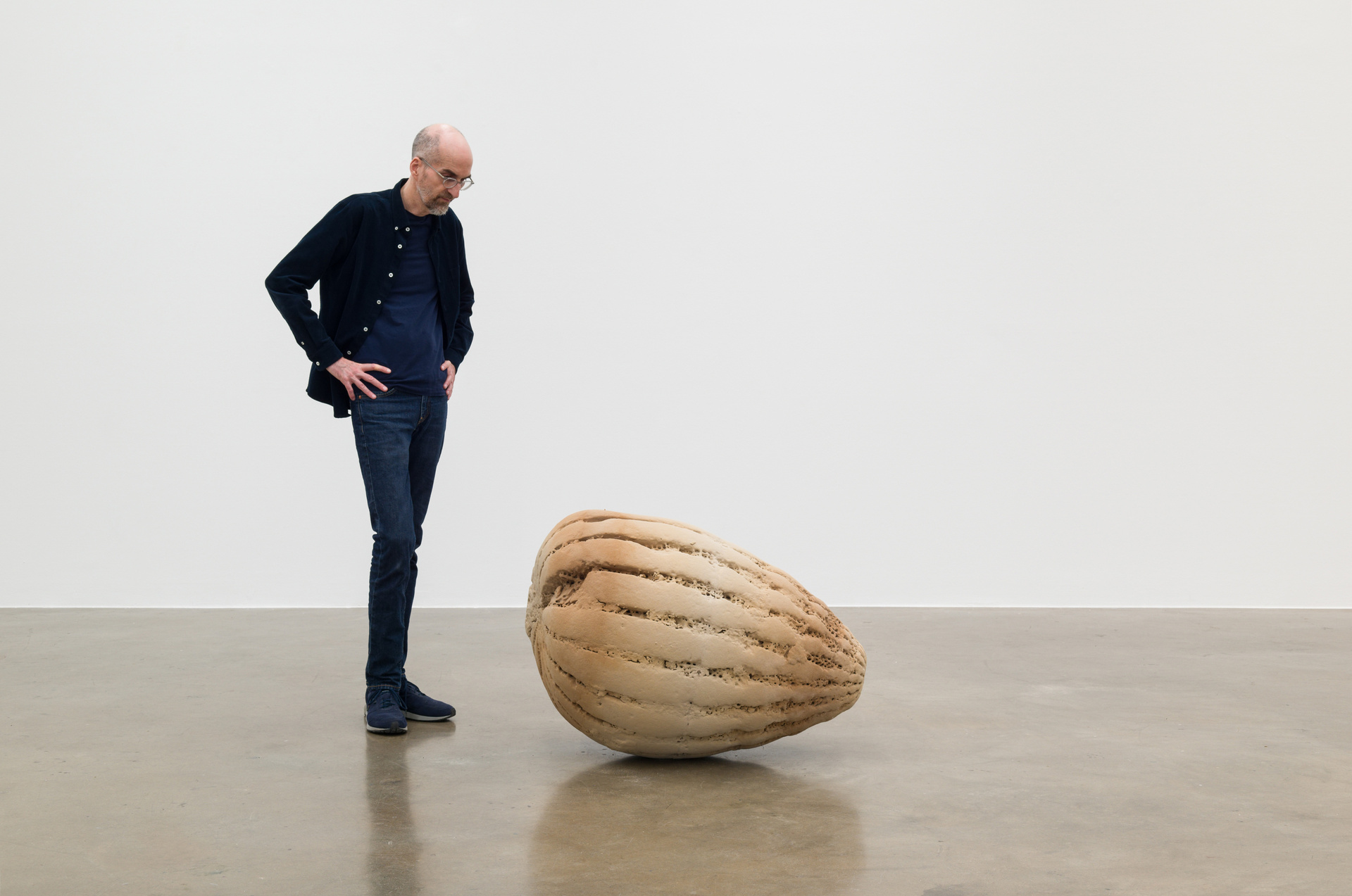
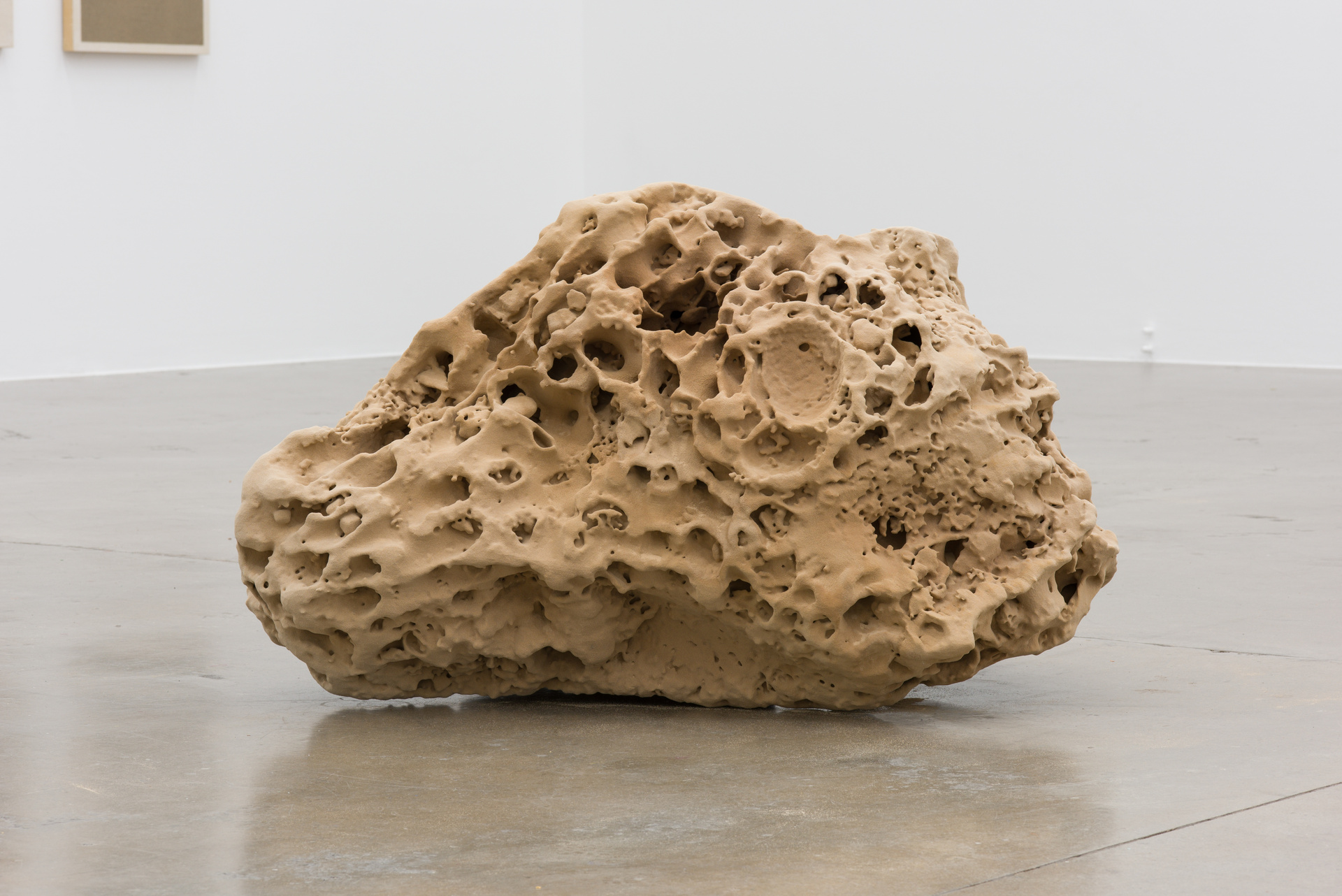
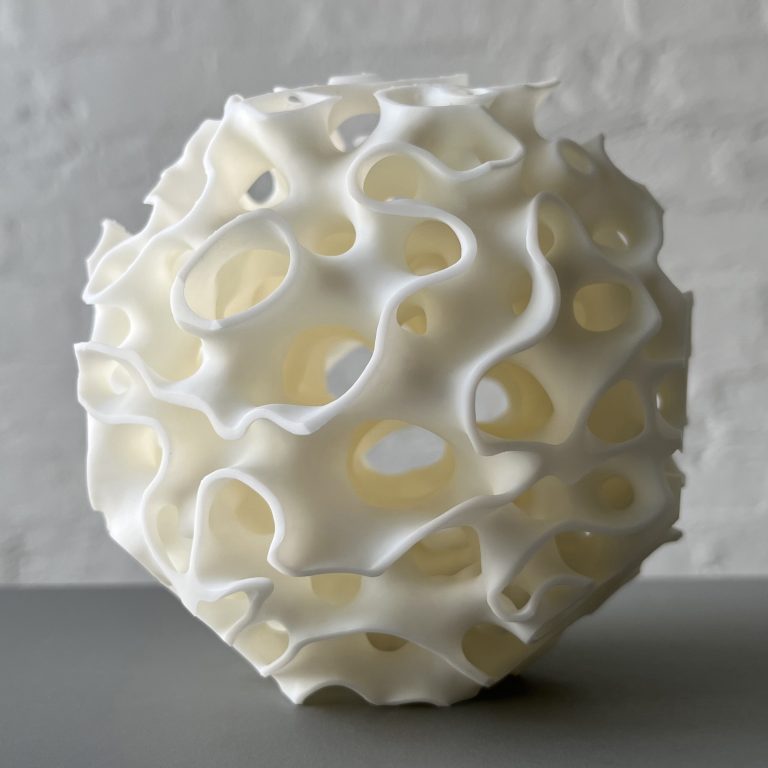
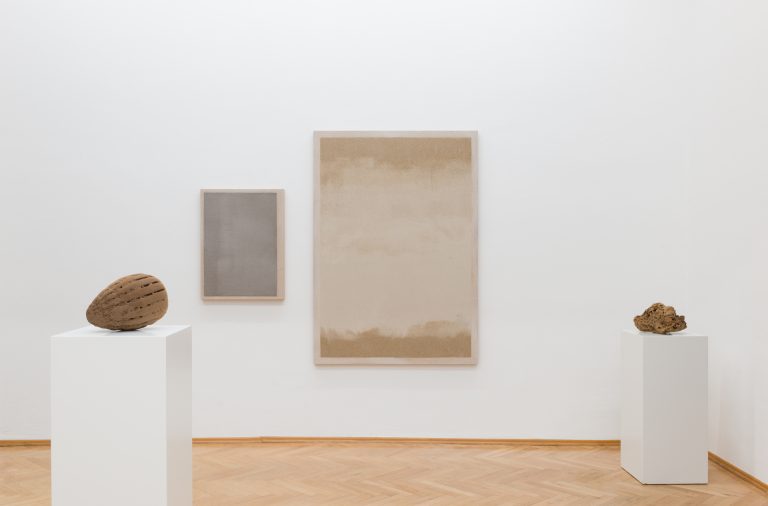
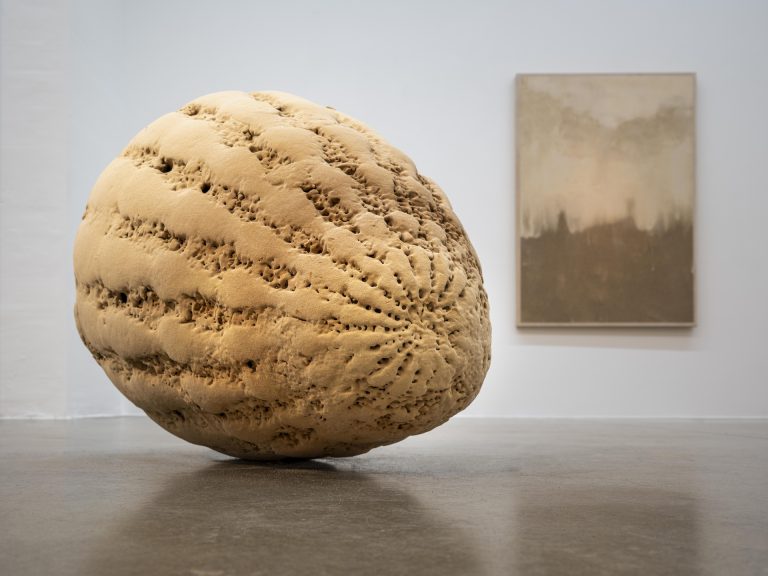
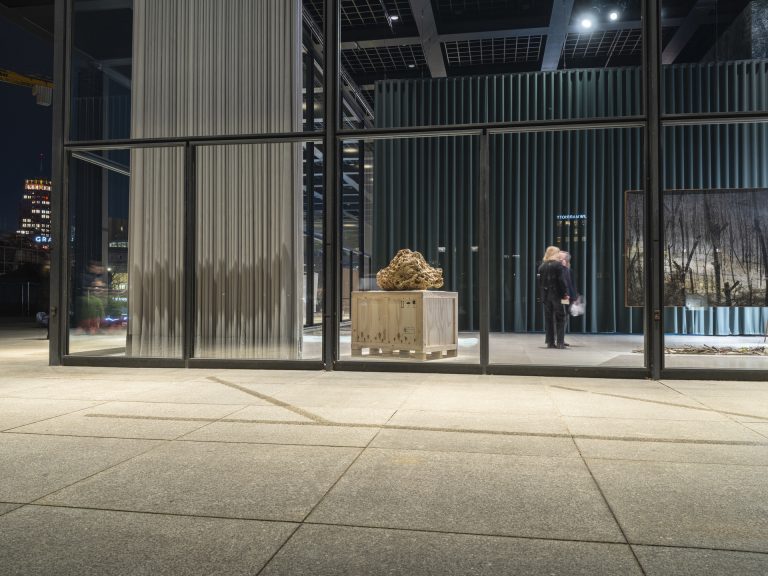
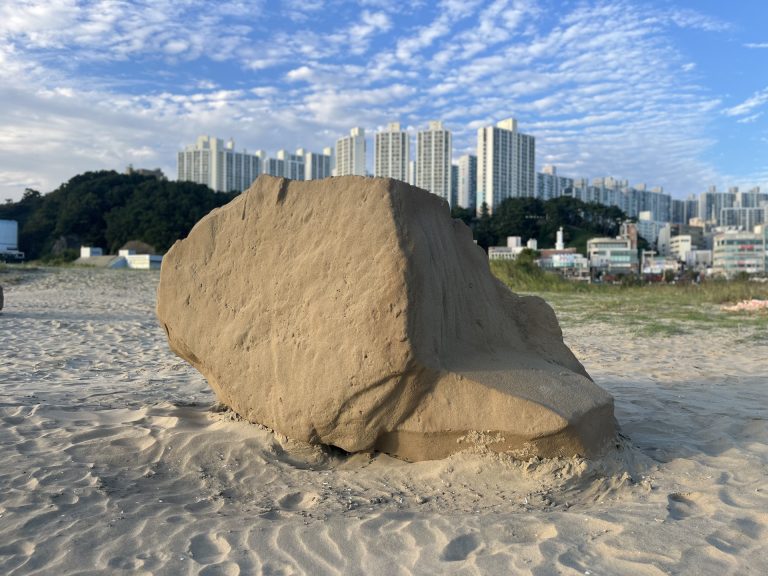
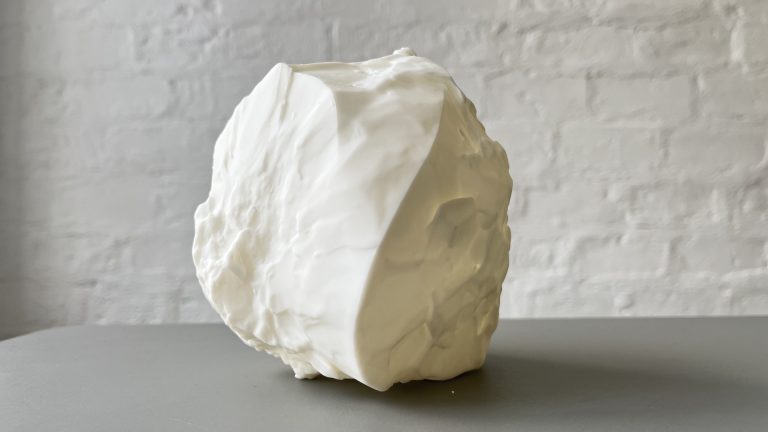
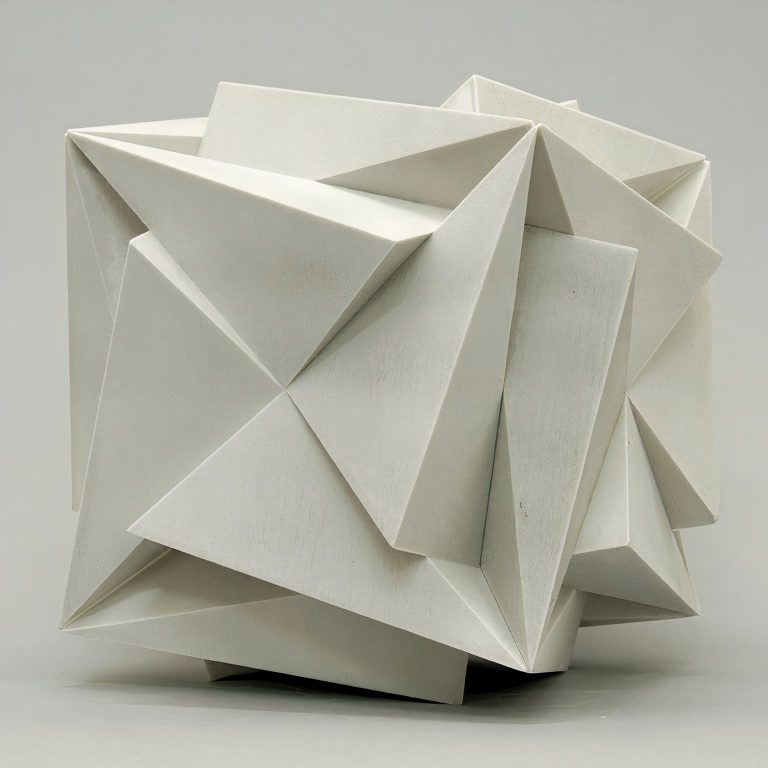
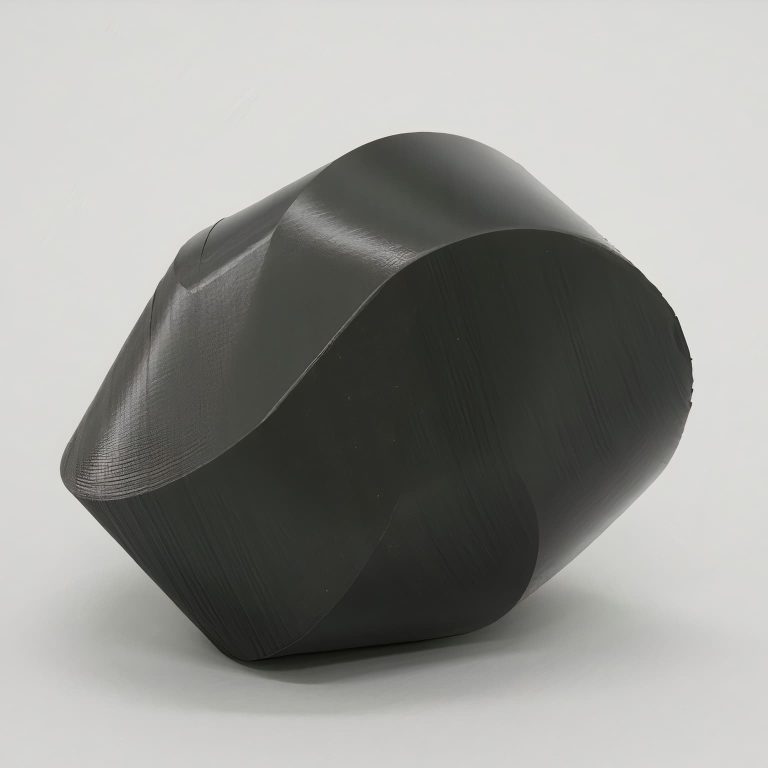
"Fragments Proximity" presents sand grains at monumental scale-approximately 1000 times their original size. Each sculpture derives from nano-CT scans of individual grains, 3D printed in sand. The material recursion is direct: sand depicting sand, the medium becoming monument. This ongoing series forms part of the larger Field of Fragments exhibition, with works occupying gallery space through their imposing presence. Surface details visible only through microscopy now confront viewers at human scale. Ridges from fracture events, smooth curves from water erosion, pitted surfaces from chemical weathering-each grain's biography made tangible. Lee selects grains for their detritus qualities while Reiner manages the computational pipeline from DICOM data to printable geometry. The 1000x enlargement pushes technical limits: maintaining surface fidelity while engineering structural stability for sand-printed forms approaching human height.
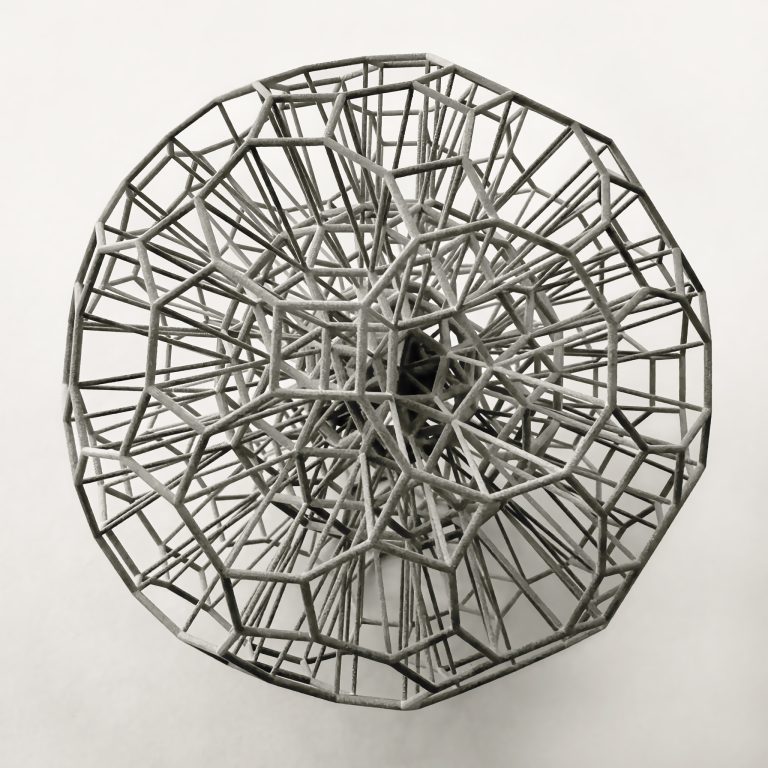
Research: The 1000x scale factor demands specific computational strategies. DICOM sequences process through mesh generation optimized for sand printing's binder-jetting constraints. Each sculpture segments into printable modules, assembled post-production. The workflow adapts earlier transparent material scanning methods to opaque minerals, adjusting CT parameters for density variations in quartz, feldspar, and other sand components. Multi-part assembly engineering ensures structural integrity at scales where a millimeter grain becomes a meter-high sculpture.