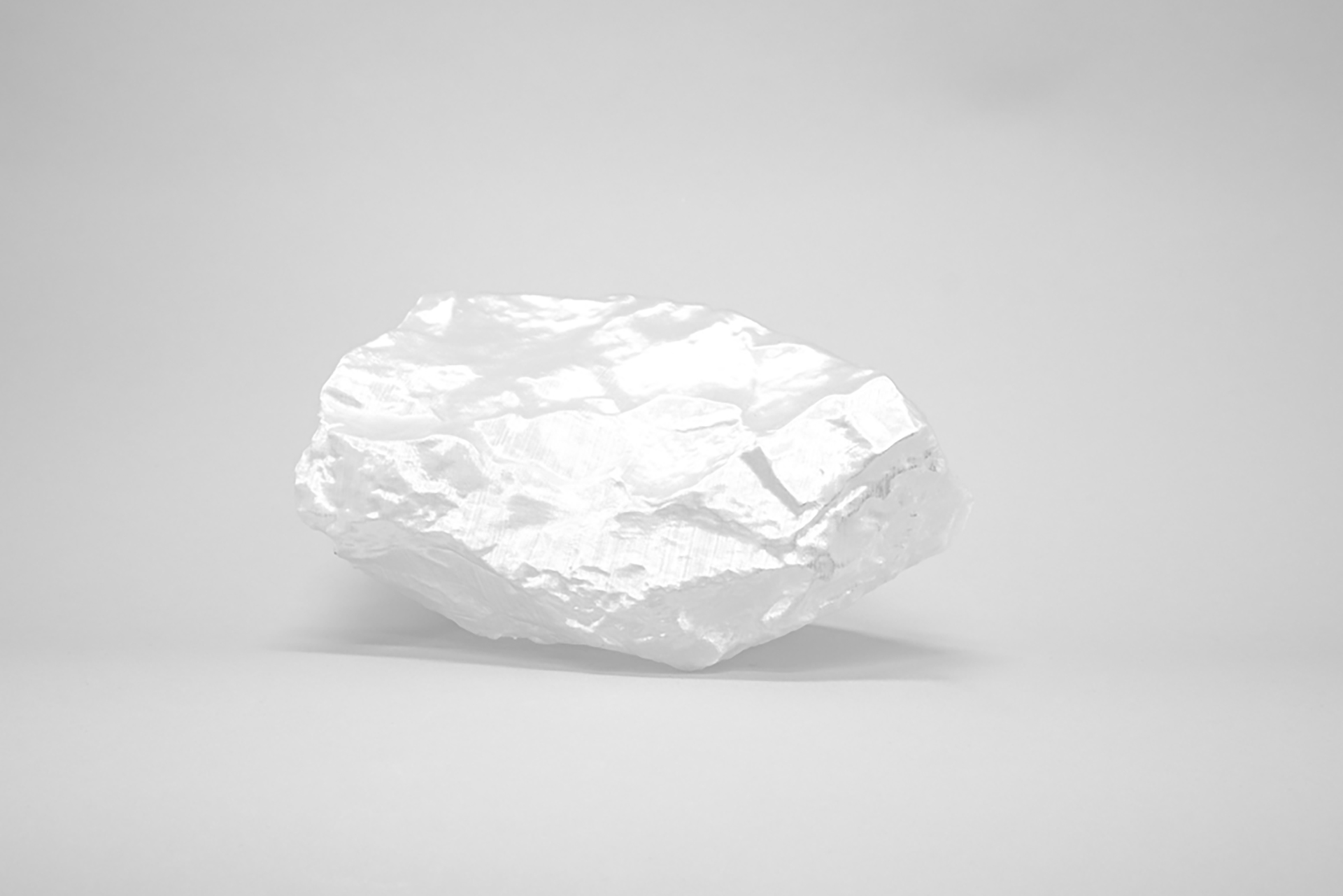
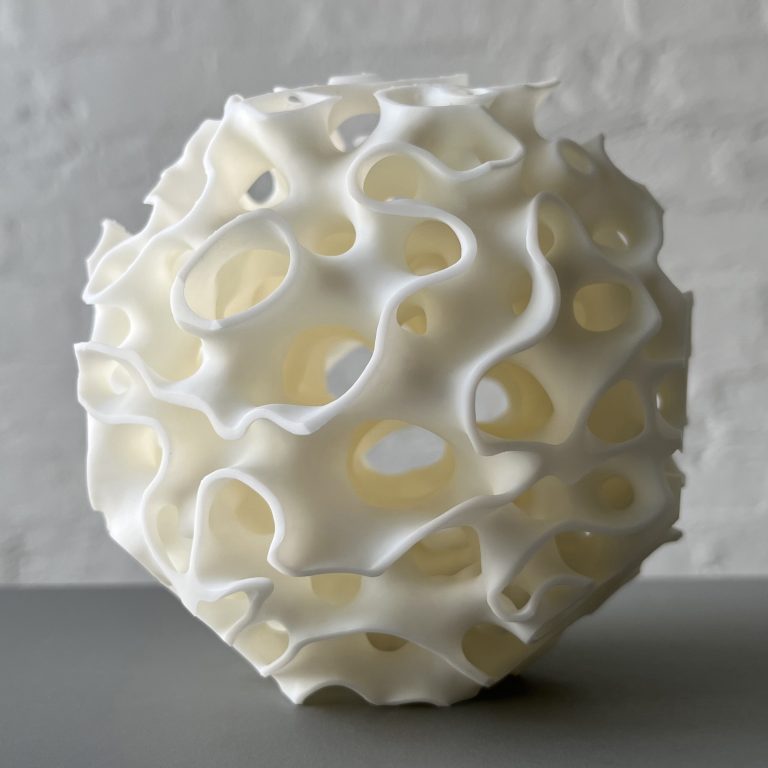
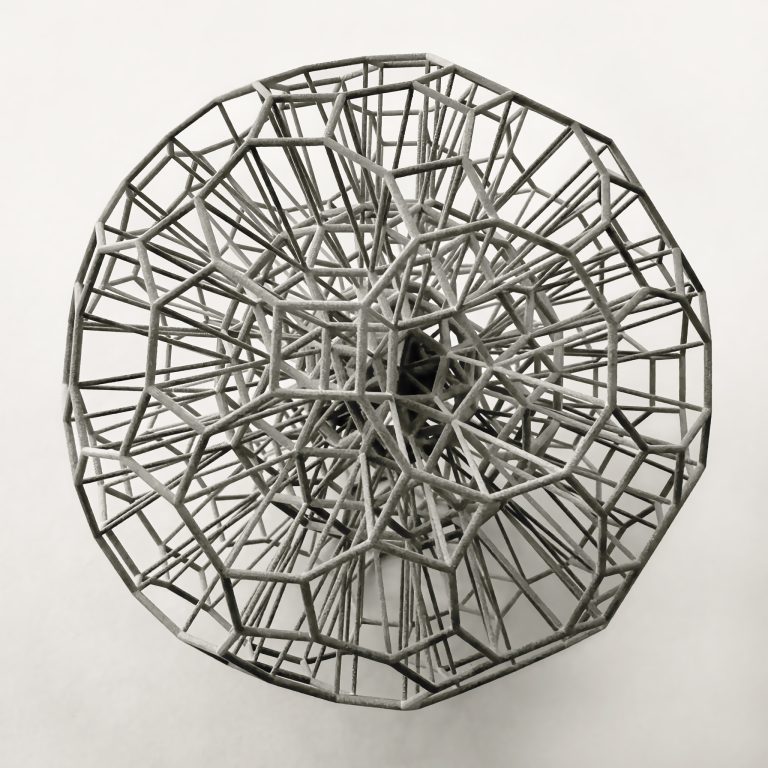
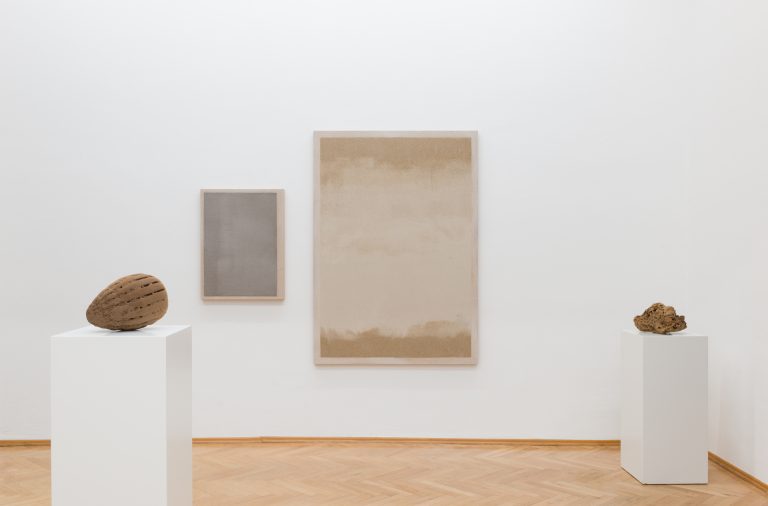
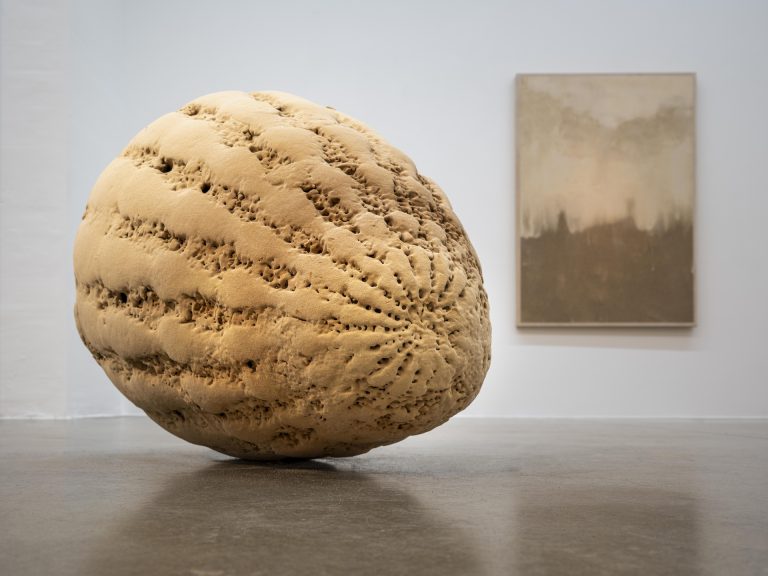
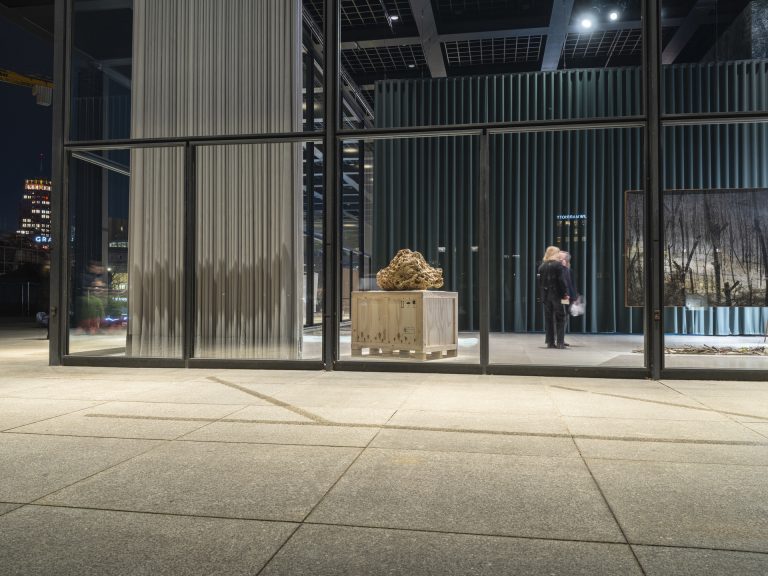
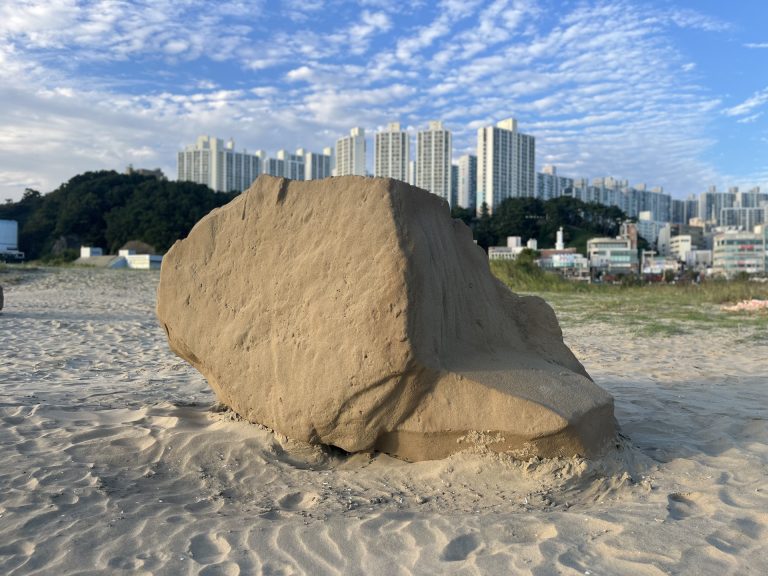
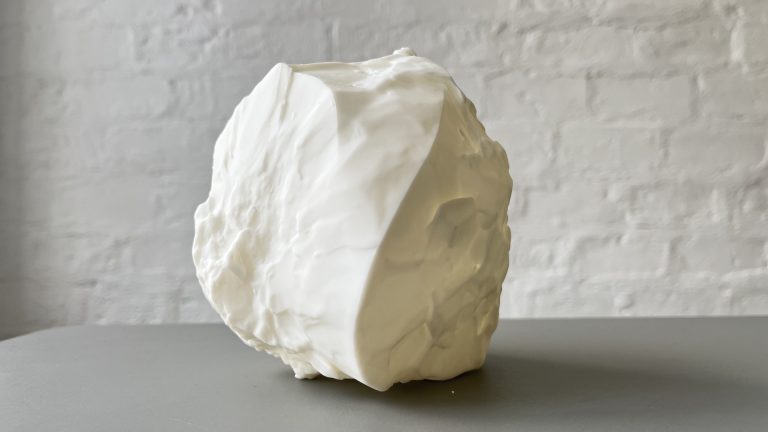
The Ice Scans study develops methods for capturing ephemeral ice fragment geometries through three-dimensional scanning. The research addresses technical challenges of digitizing transparent materials that confuse standard photogrammetry systems. The investigation adapts laser scanning technology from automotive applications, combining hardware capabilities with surface treatments to capture topology despite complex optical properties. Each scan preserves specific ice geometries that exist only briefly before melting, translating transient natural forms into permanent digital data. The study establishes protocols for scanning materials with challenging optical characteristics. The research tests which surface treatments enable accurate capture and how scanning parameters adjust for transparent materials. The work creates foundations for subsequent projects where scanned ice fragments translate into permanent sculptural forms.